
Reusing Historical Structures: Longsdorf Barn
Many old barns, buildings, and homes in Ohio were framed up with hand-hewn beams shaped from hardwood trees felled on the property where the building was erected. Wood like this is not found today at the local lumber supply house. The virgin-growth timbers used in these early structures are a rare commodity.
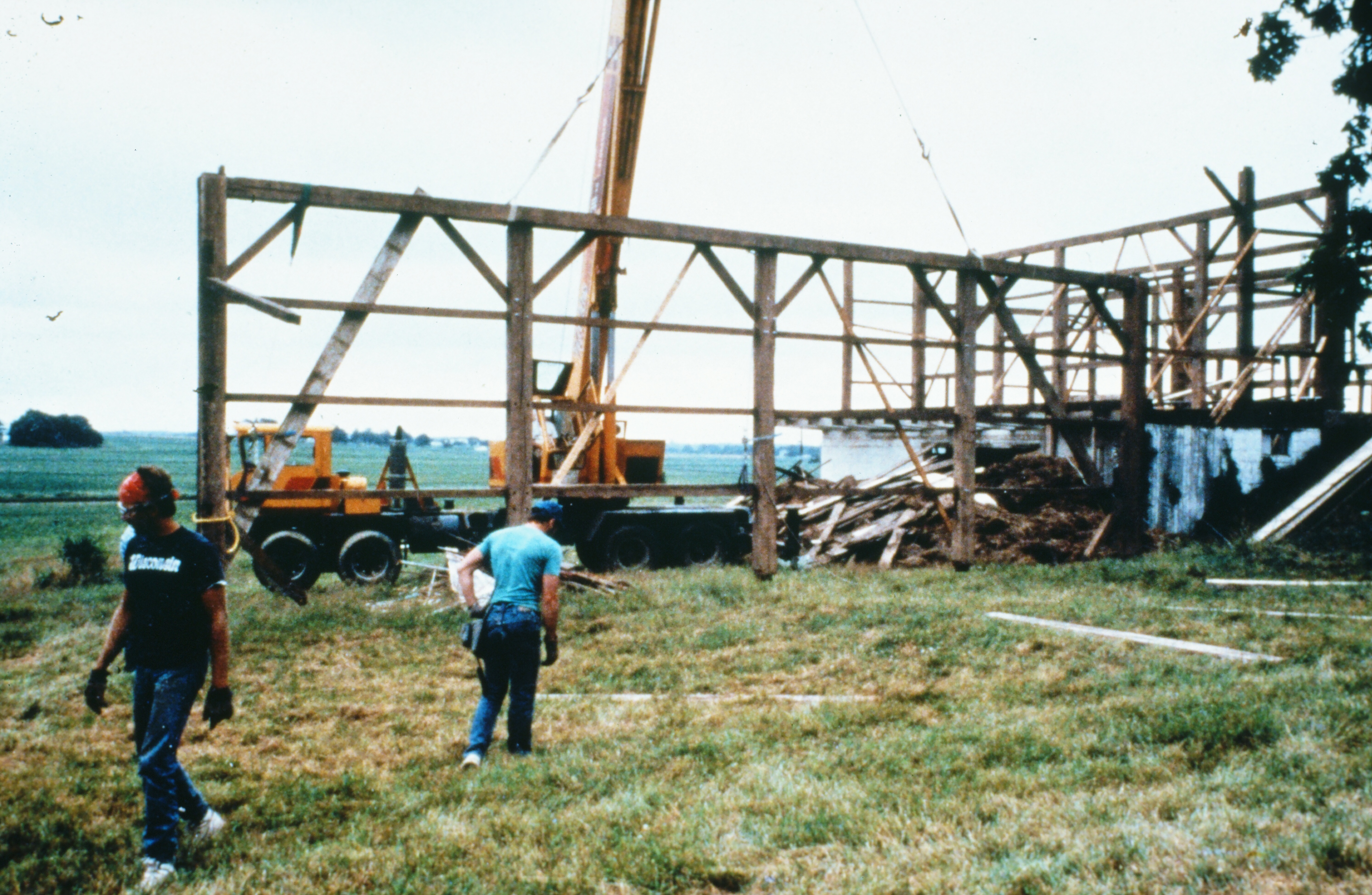
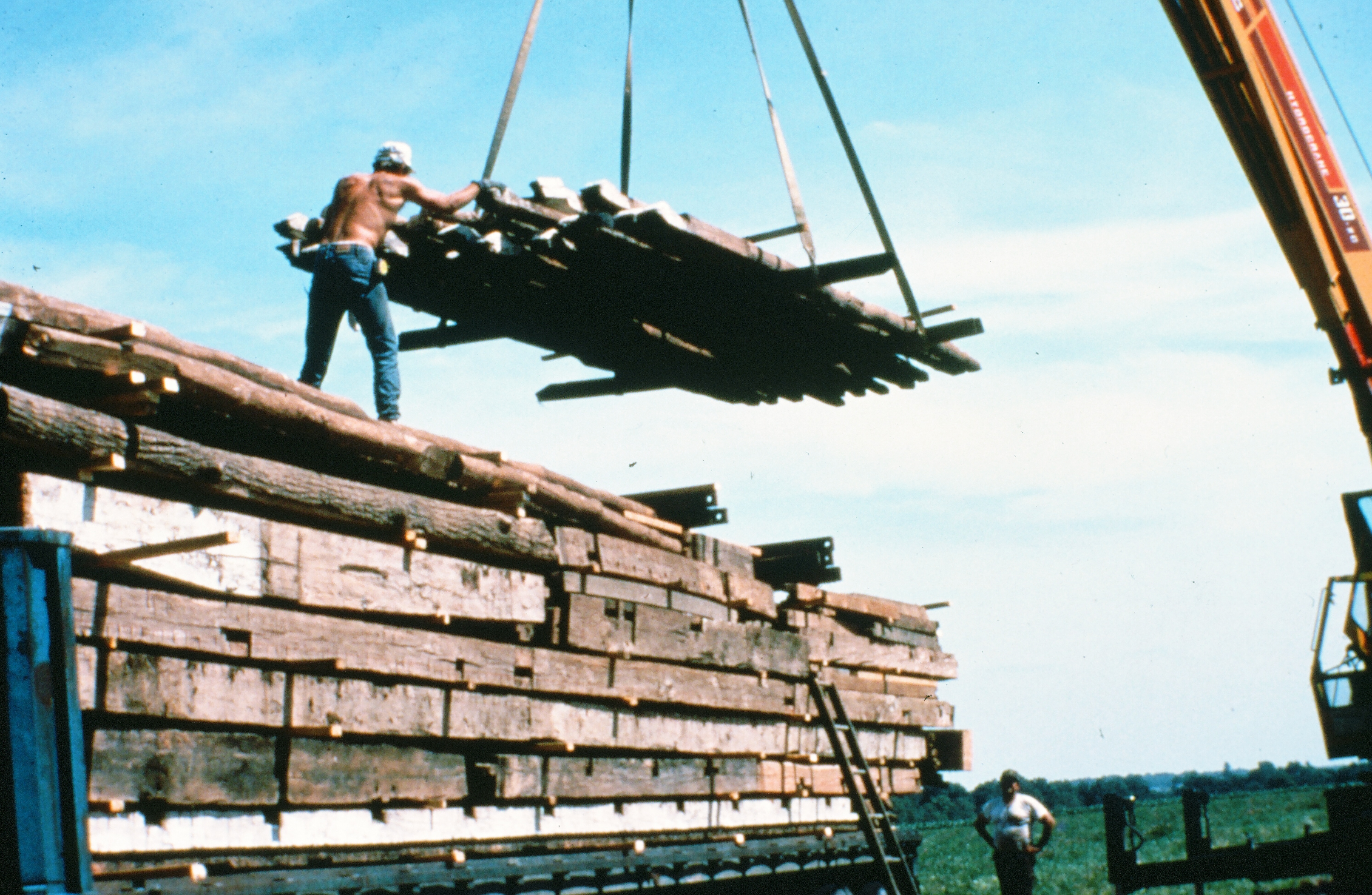
When we find a timber frame building in disrepair that cannot be restored for use where it stands, we want to carefully number every piece, dismantle and save the timbers to re-erect somewhere else in the creation of a new and different home, barn, or business.
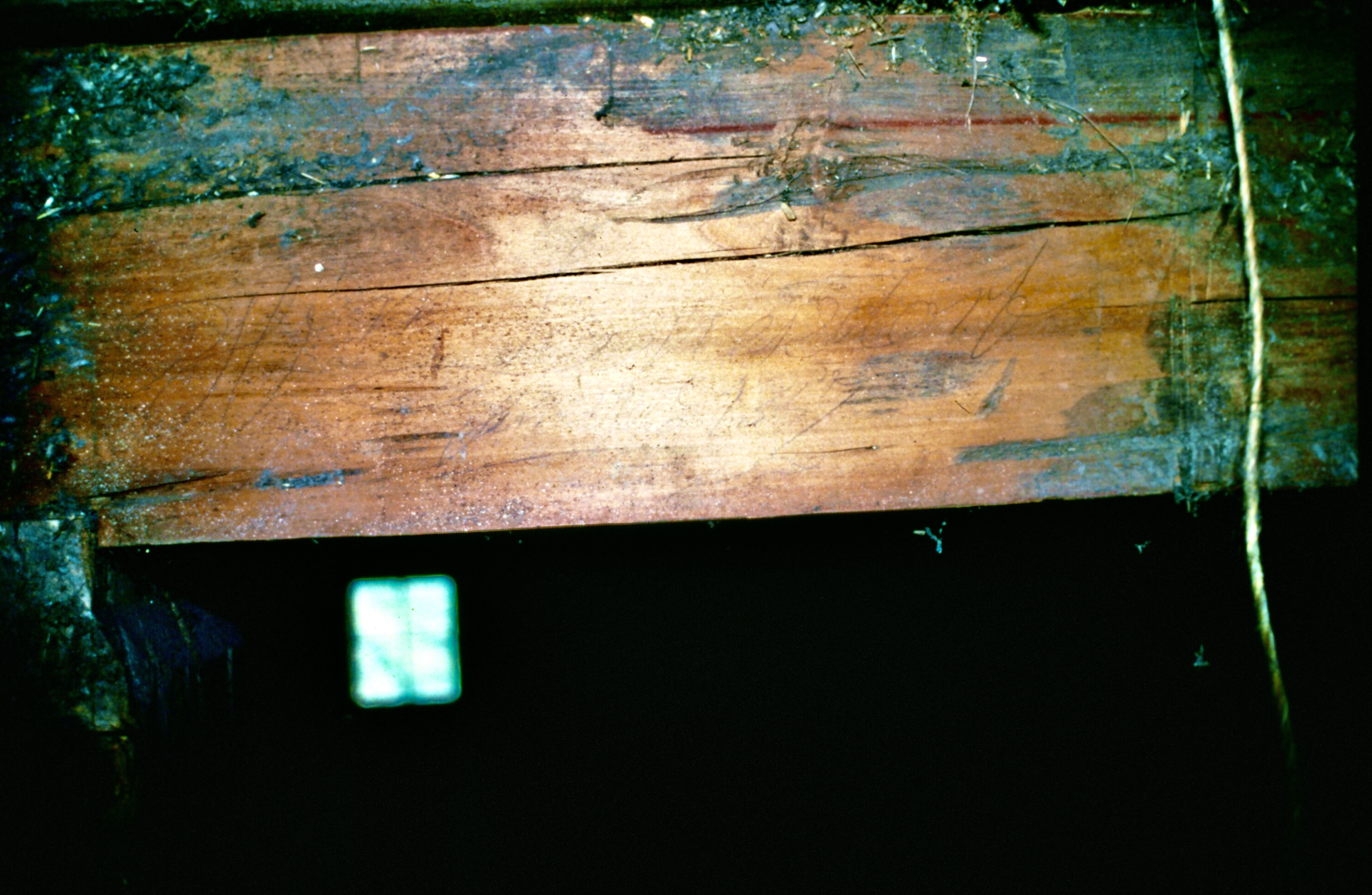
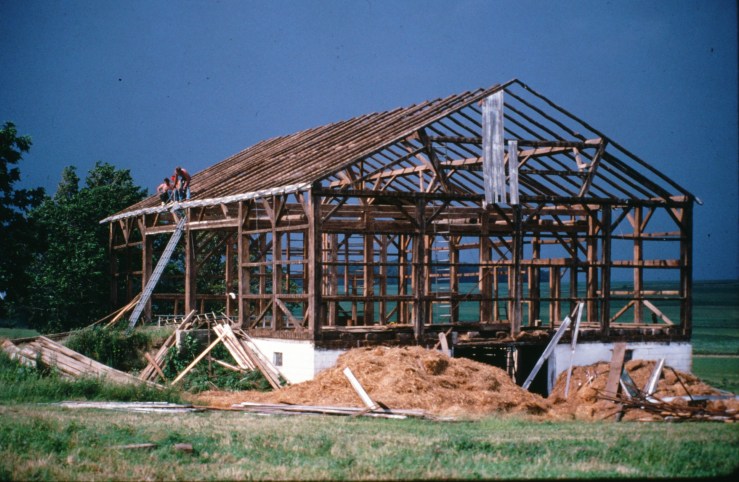
Pictured below is a rare barn from Wayne County, Ohio. Its hand hewn oak post timbers measure 13″x13″ and the 45’x70′ barn is in excellent condition. What makes it truly unique is the discovery of the signature of its builder, seen in the photo. Back in the corner granary, where harvested grains were kept for the animals, written in pencil is “H. M. Longsdorf June the 6, 1857.” After signing the beam, Harmon covered it with boards to protect it. He must have wondered who would see his signature if ever the day came that the barn would be dismantled and hopefully saved. It is currently in storage awaiting a new home.



Waynesville Gunstock Posted Barn
An example of the repurposing of a barn to form core structural and decorative elements can be seen in the modern SIP home below, where the new SIP envelope is wrapped around a sturdy salvaged timber frame barn. This barn was discovered in Waynesville, Ohio. It was first erected in 1828, and was transported to Delaware County where it found new life in 2000.


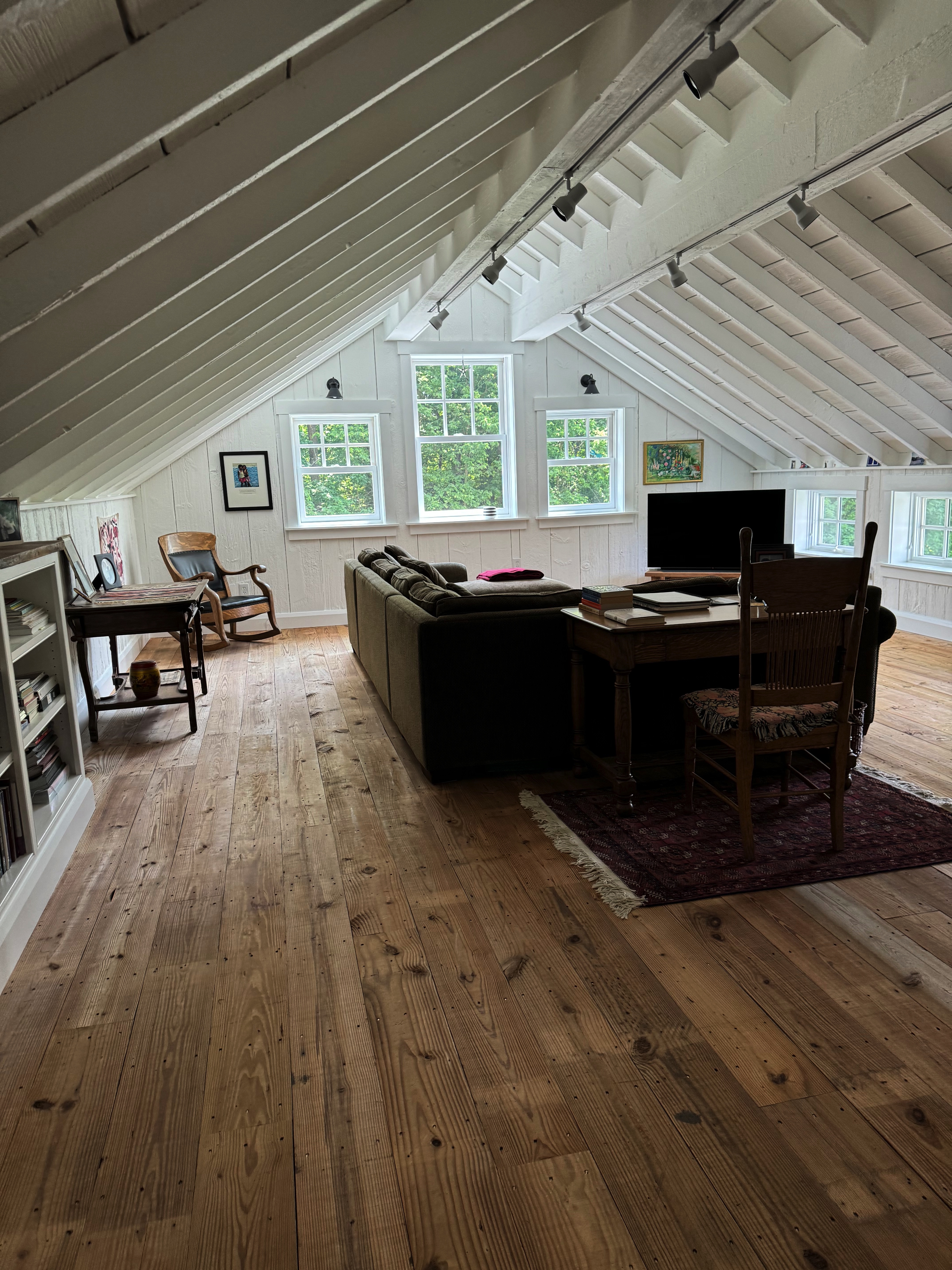
A perfectly respectful marriage of old and new, we would say, and a precious resource saved for generations to come.
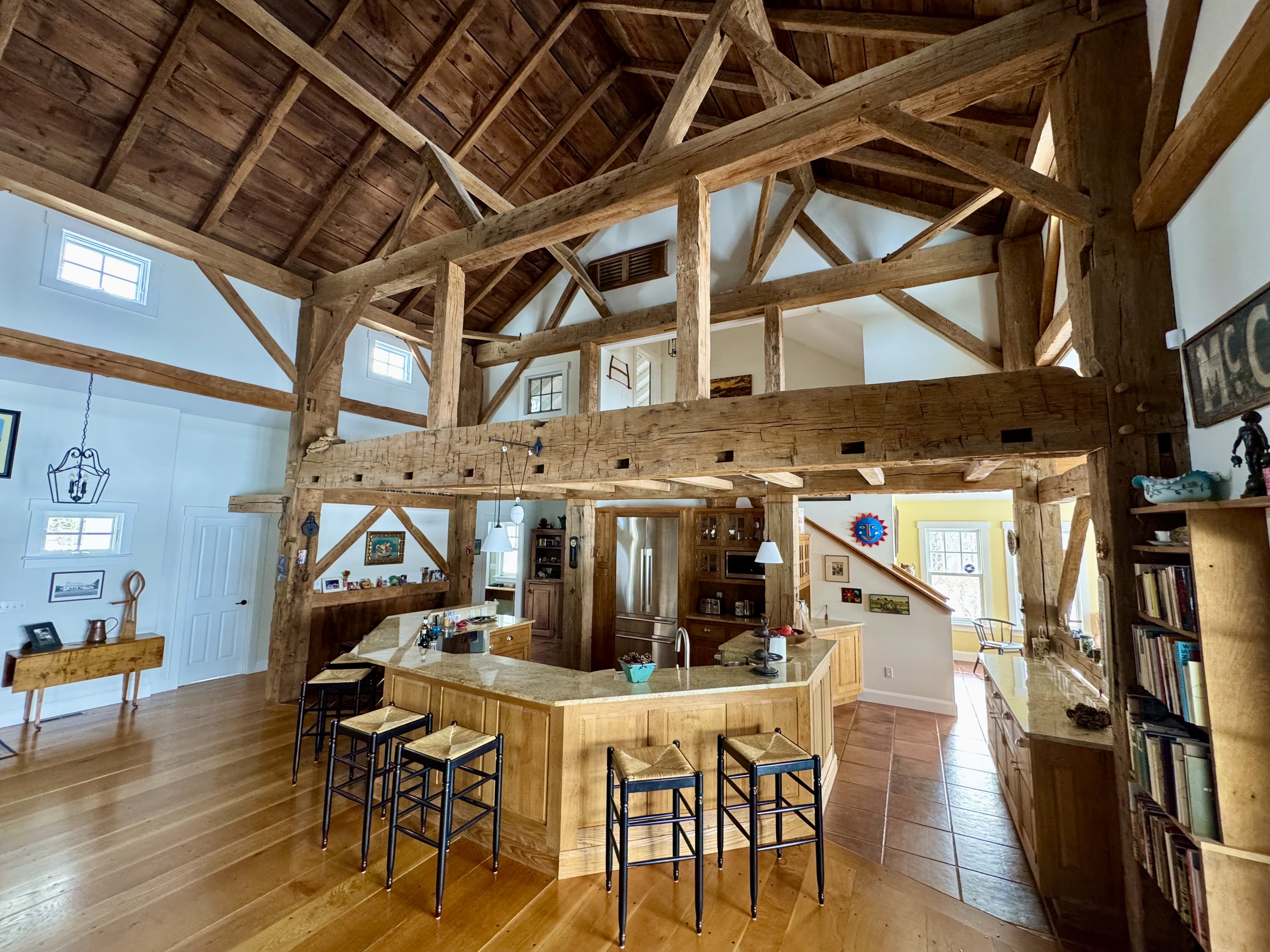
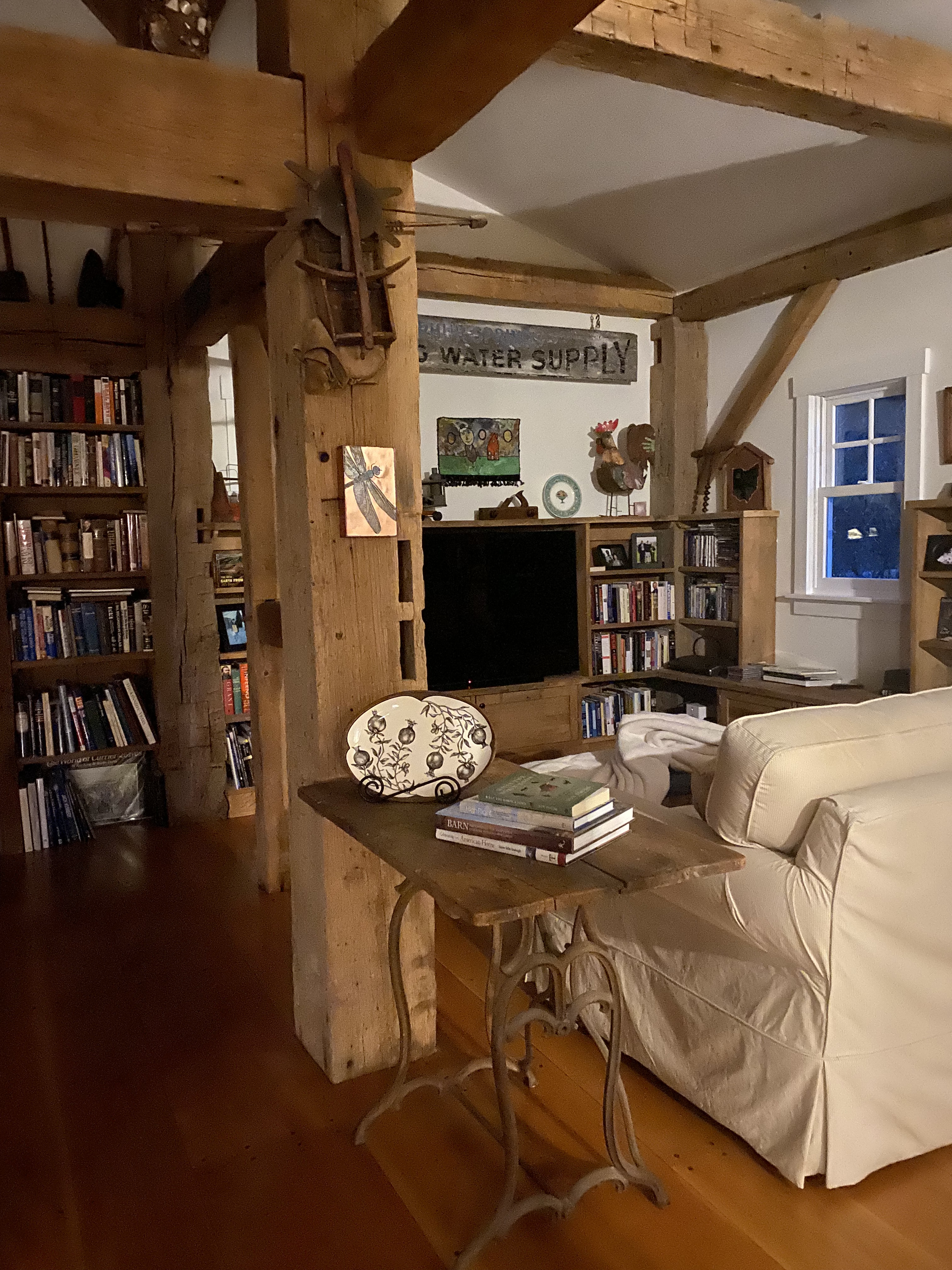
Delaware County Timber Frames
Delaware County’s Trails End development used to be a farm, originally purchased in 1802 by Thomas Cellar. GreenTech Construction was contracted to save the farm’s house and barn.
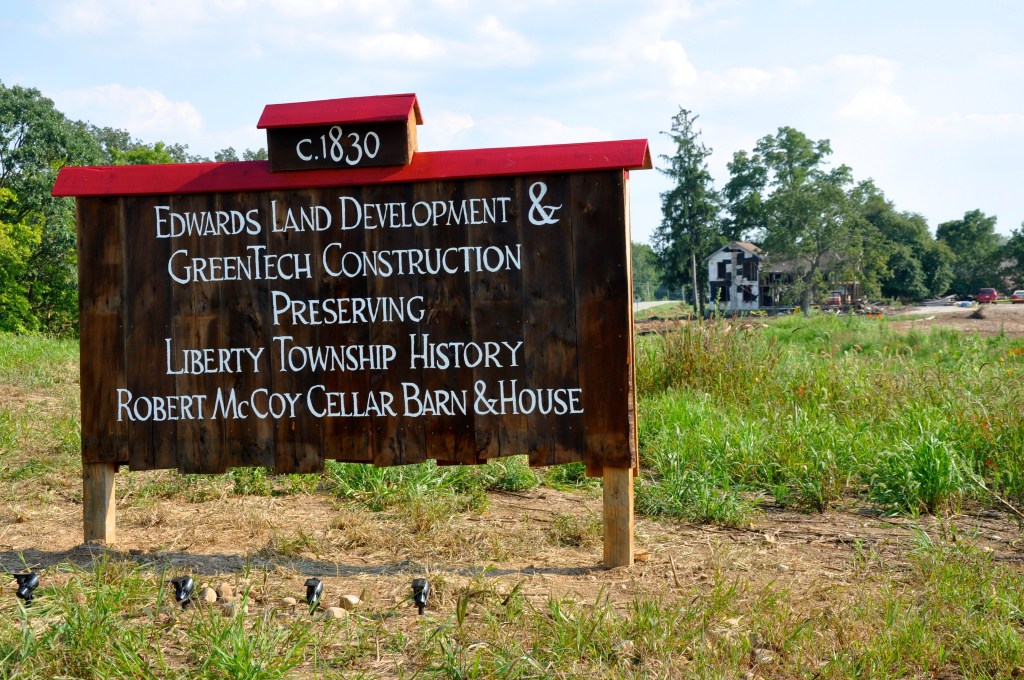
The earliest barn frame is seen exposed on the left. Dendrochronology was performed on its timbers, with the help of the College of Wooster, which revealed that the trees were felled in 1830. Around 1900 it was cribbed up to allow for a new foundation. The 50’x100′ timber frame to the right was constructed at the same time. Thomas Cellar’s 1802 investment of $5,520 for 4,000 acres was paying off handsomely for his descendants as it had become one of the most prosperous farms in Delaware County.

The large barn above can be seen in the distance and just beyond that can be seen the timber framed Liberty Presbyterian Church at the corner of Home Rd. and SR 315. This farm field is now the Trails End development.
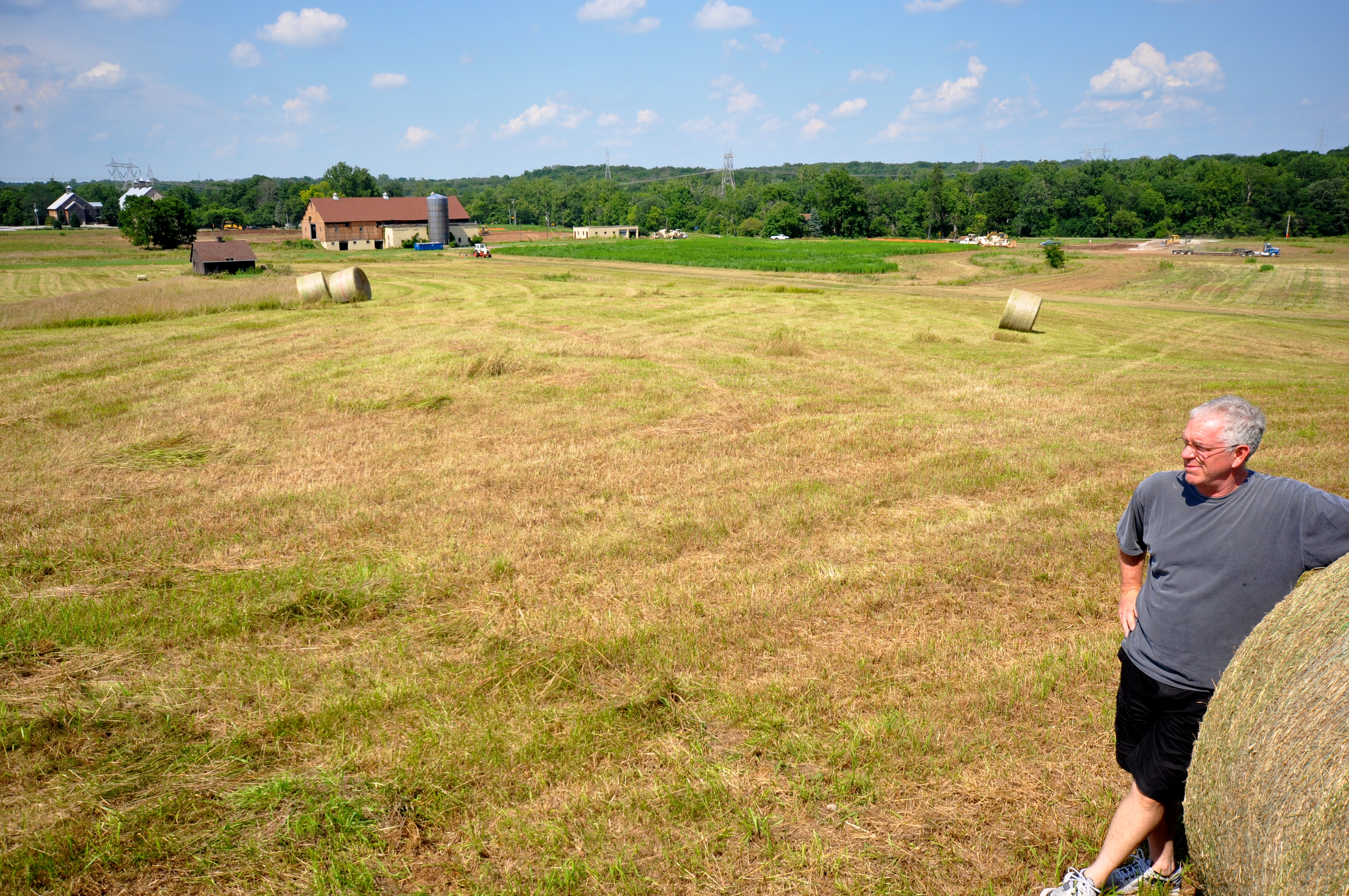
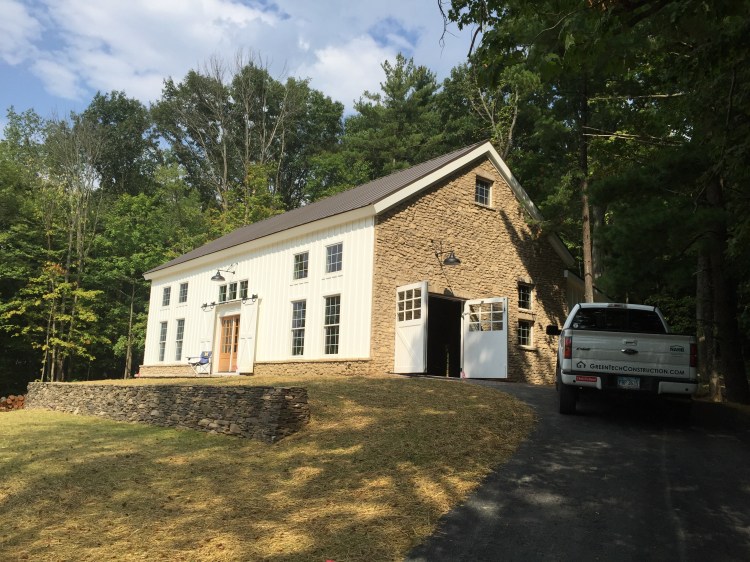
The 1830 barn was repaired and raised on a new foundation where it now is used to display its owner’s antique car collection.

Below are photos of the timber frame house built by Thomas Cellar’s son Robert in 1840.
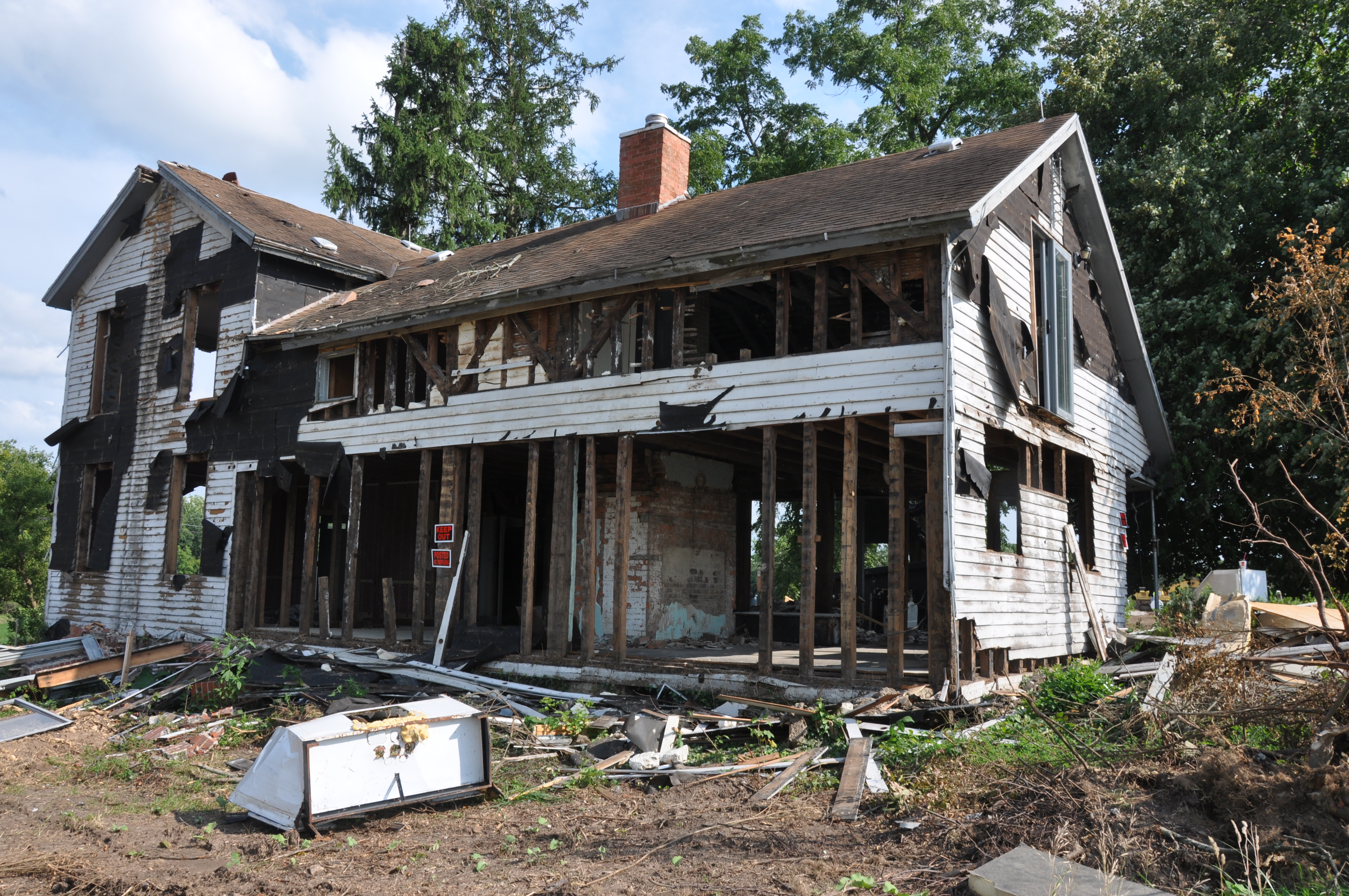
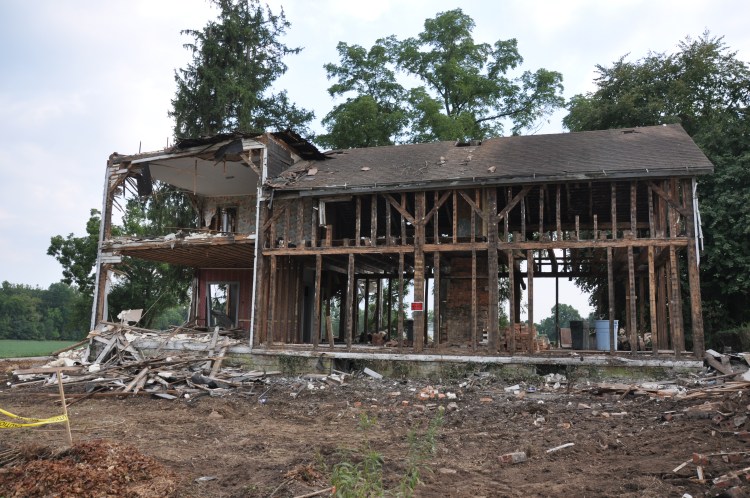
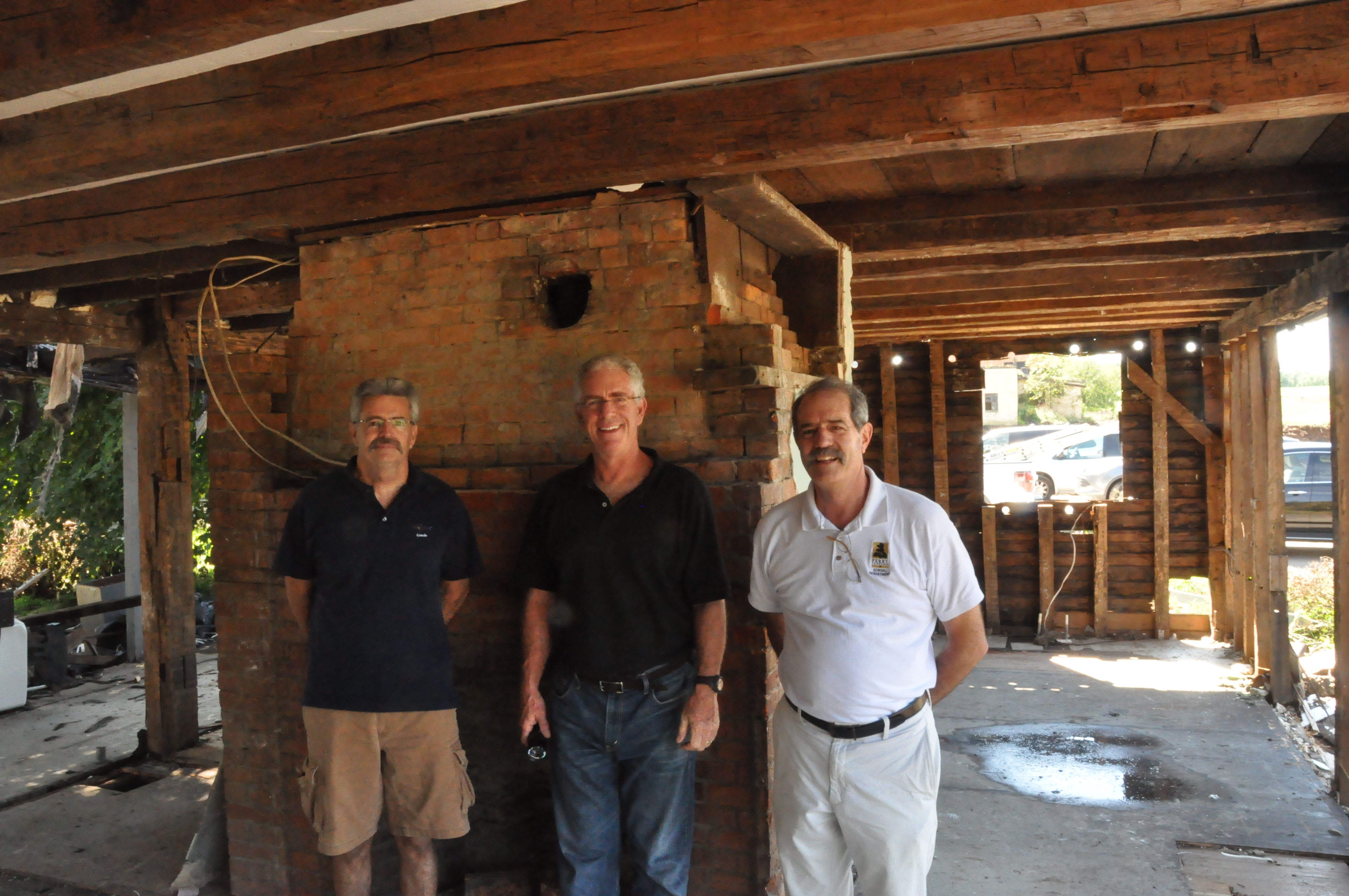
Robert M. Cellar’s descendants pose by the original chimney and below show the Columbus Dispatch the original flintlock rifle that Thomas Cellar, a gunsmith who made rifles for Revolutionary War soldiers, brought with him to this land just before Ohio was granted statehood in 1803.

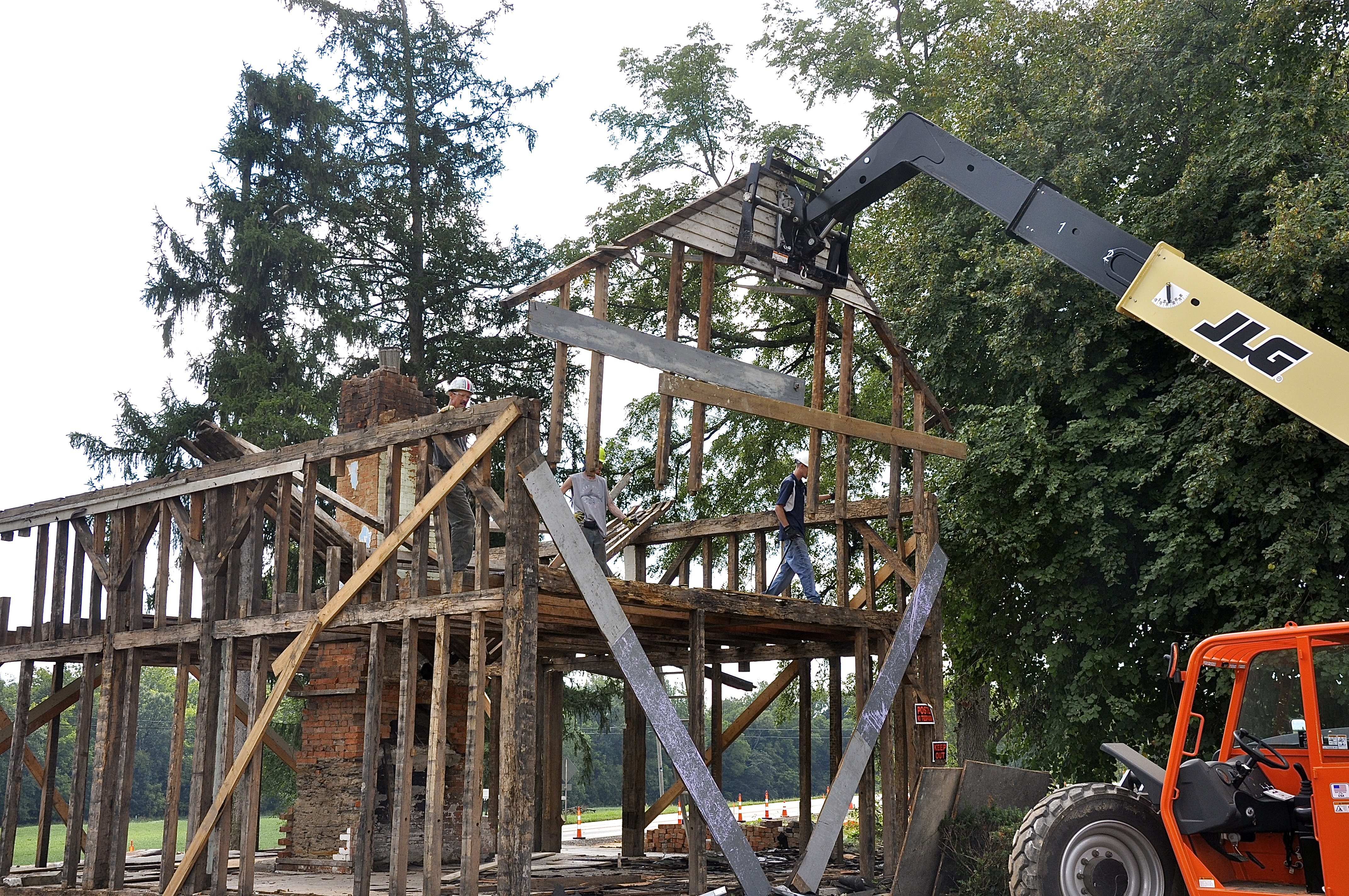
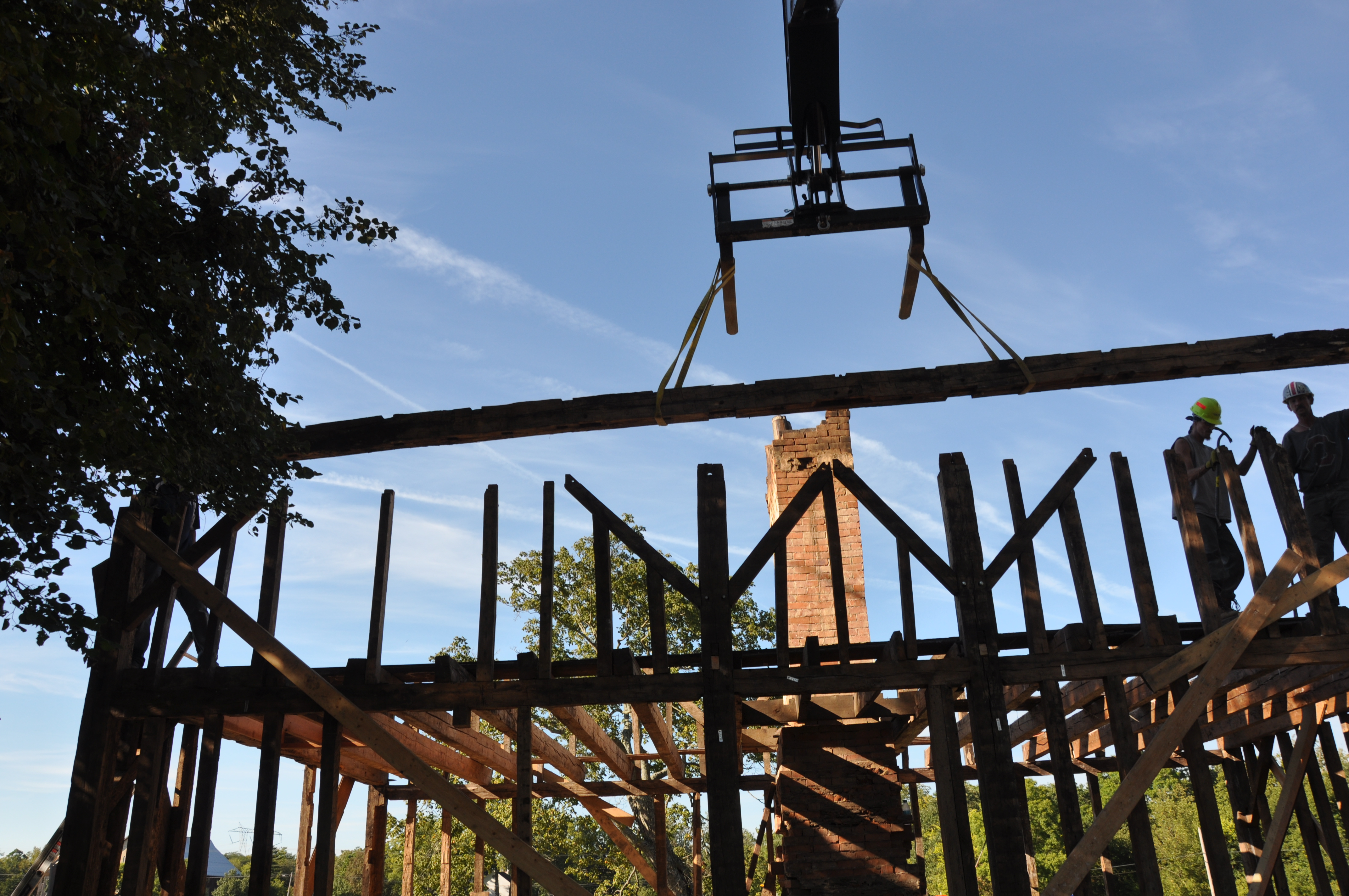
Upper Arlington Saves a Barn.
The oldest remaining farm building in Upper Arlington, originally built in 1838 by Thomas Legg, was on its last leg. It could have easily been demolished and forgotten. But due to some creative thinking and imagination was converted into the beautiful Amelita Mirolo Barn in the Sunny 95 Park thanks in large measure to the Upper Arlington Community Foundation and generous donations from the Mirolo Charitable Foundation, the Northwest Kiwanis Club and hundreds of community volunteers. It now stands as a perfect example of how our historic barns, now recognized as an Official Symbol of the State of Ohio with Governor John Kasich’s signing of Senate Bill 86, can be moved and repurposed into community centers. Efforts to preserve our heritage and to pay tribute to those on whose shoulders we stand are to be celebrated.
“Our greatest responsibility is to be good ancestors.” Dr. Jonas Salk

This is the barn as it stood on Lane Road in Upper Arlington.
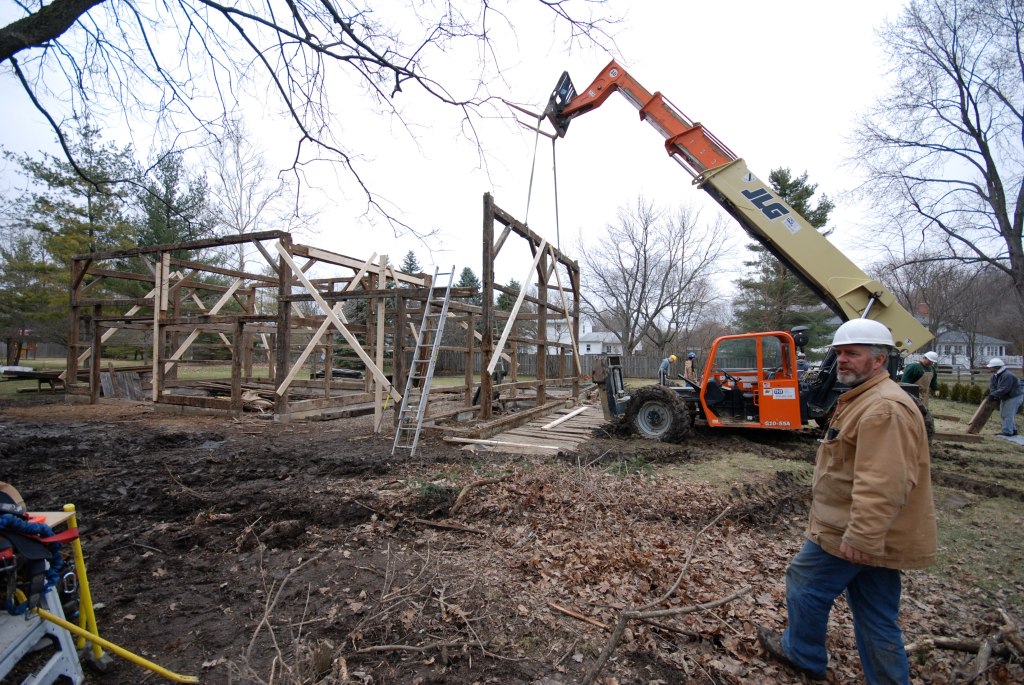
Dismantling the barn frame. Each piece is numbered for reassembly.

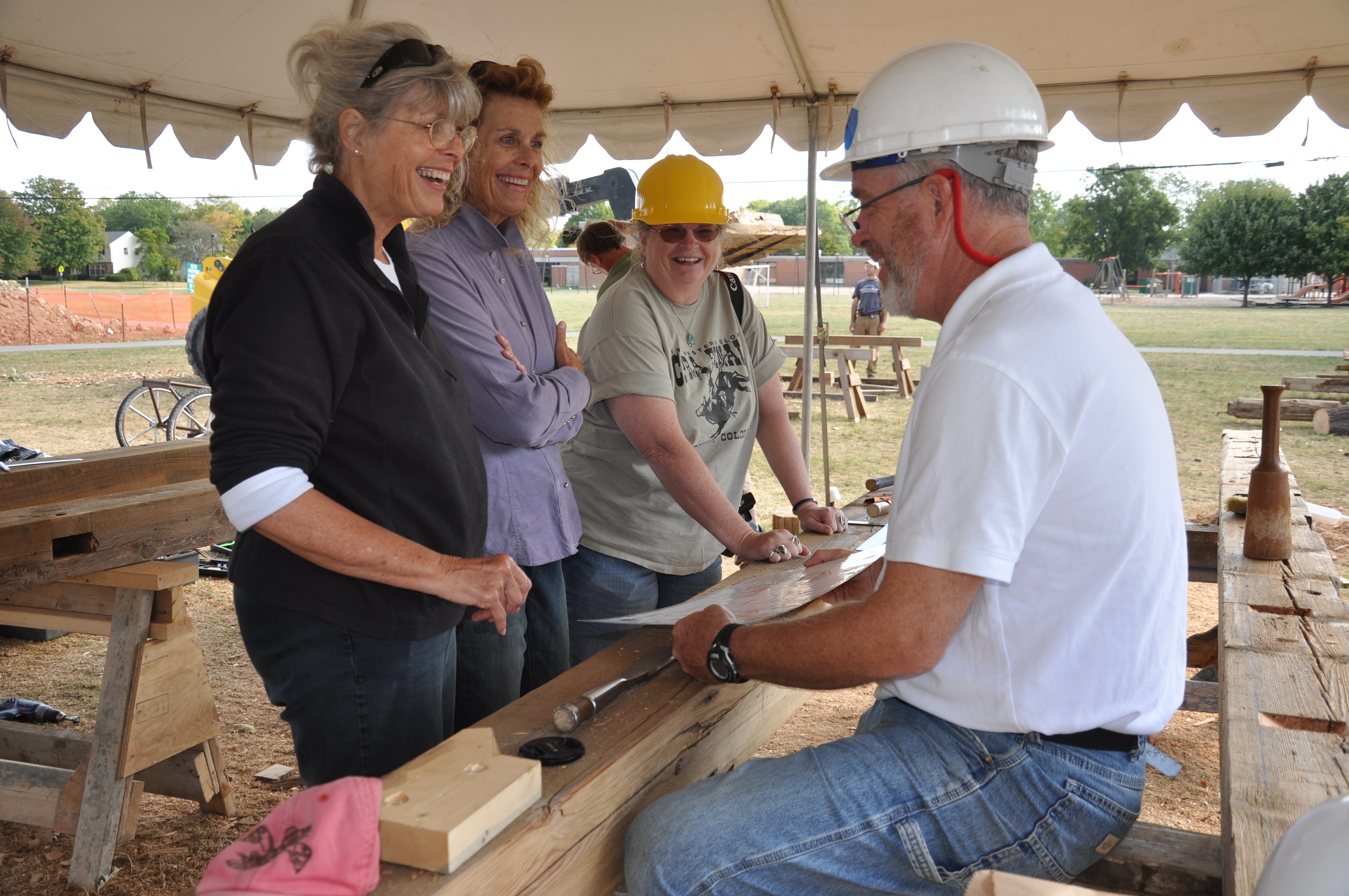
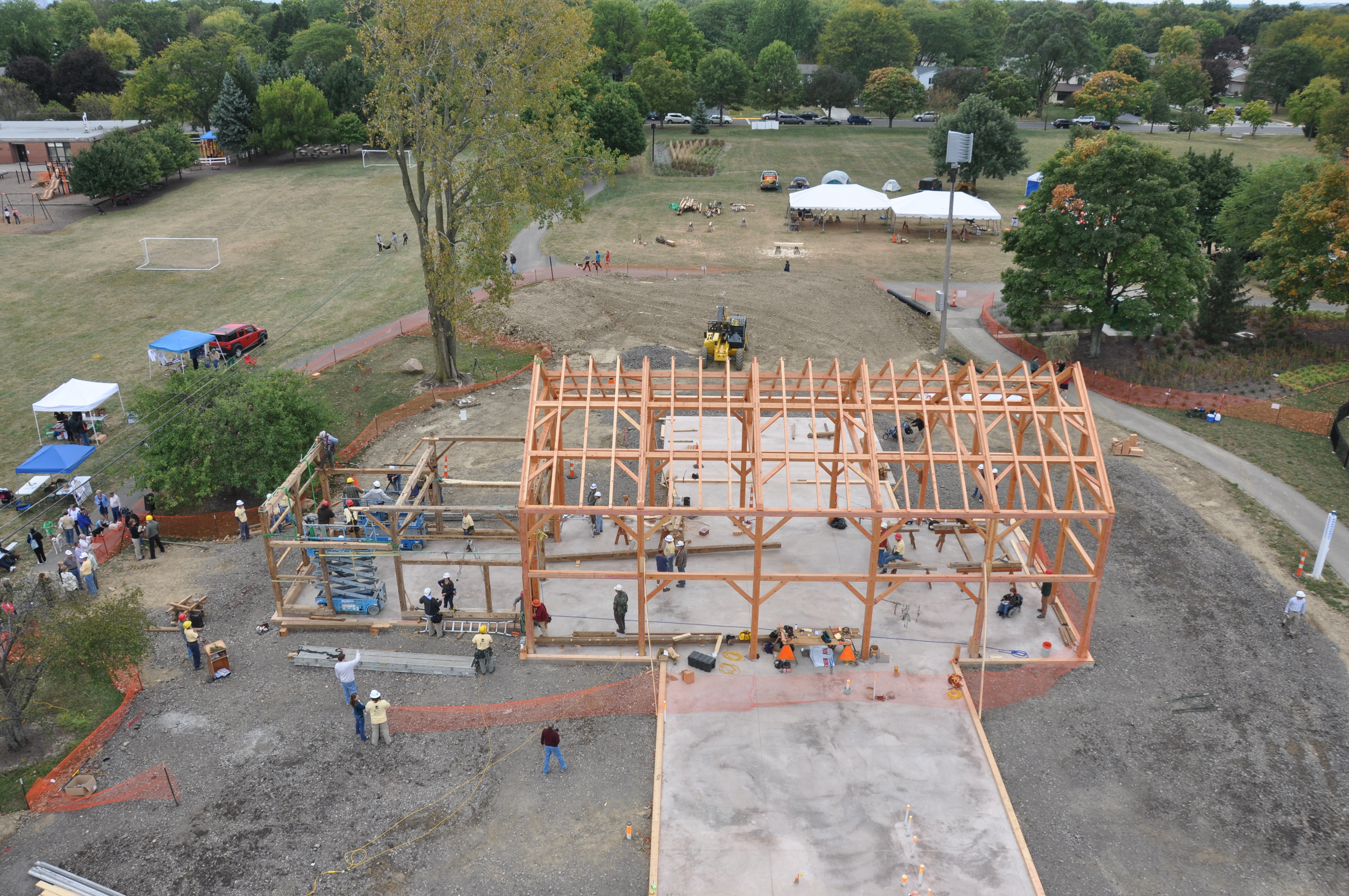
Raising the restored frame with volunteers including those from Friends of Ohio Barns and The Timber Framers Guild. The Guild often invited eager to learn students from nearby Greensview Elementary to the site to teach them about timber framing.



The additional larger new Douglass Fir frame adds much needed space to the original smaller antique frame.
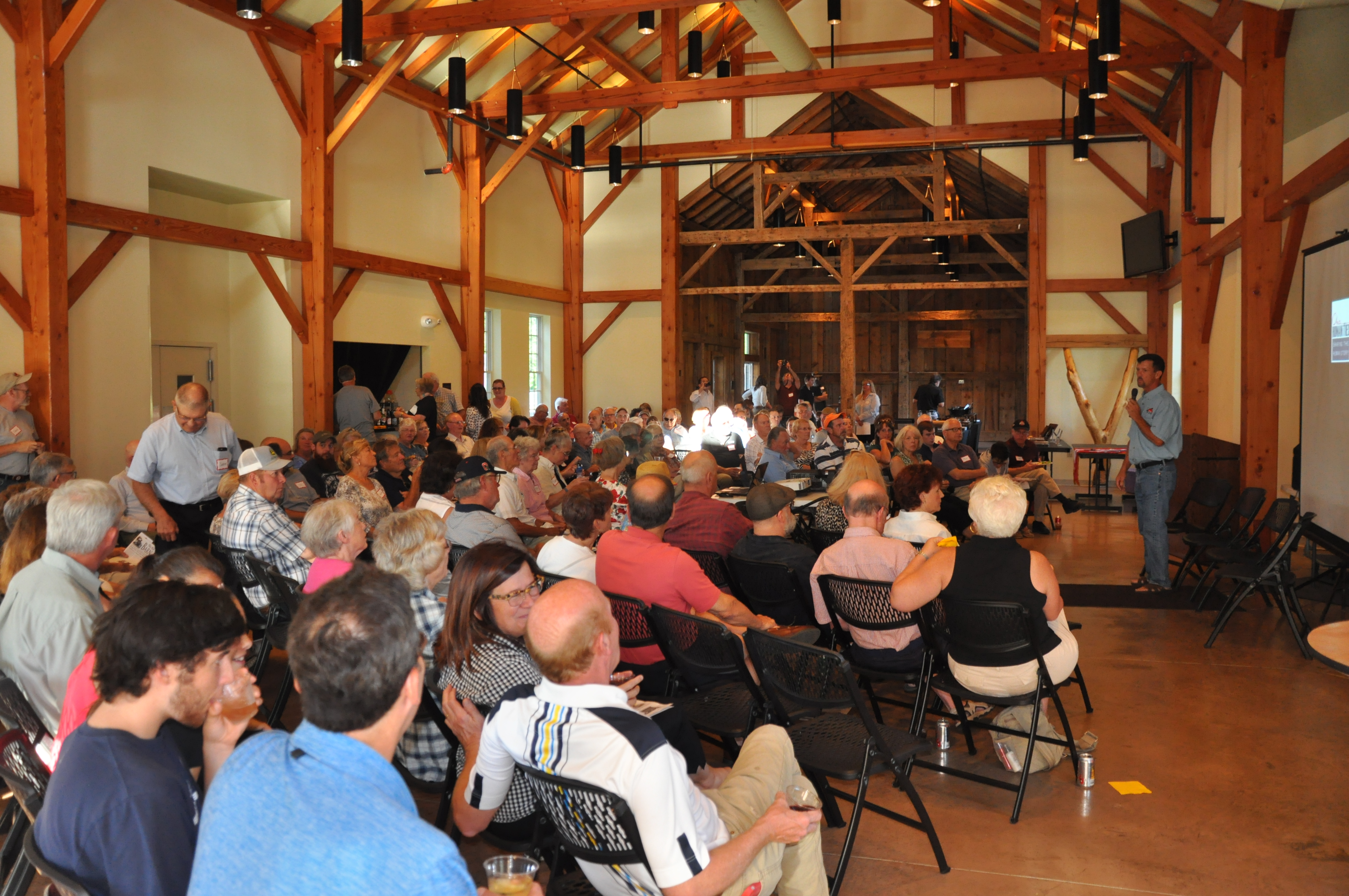
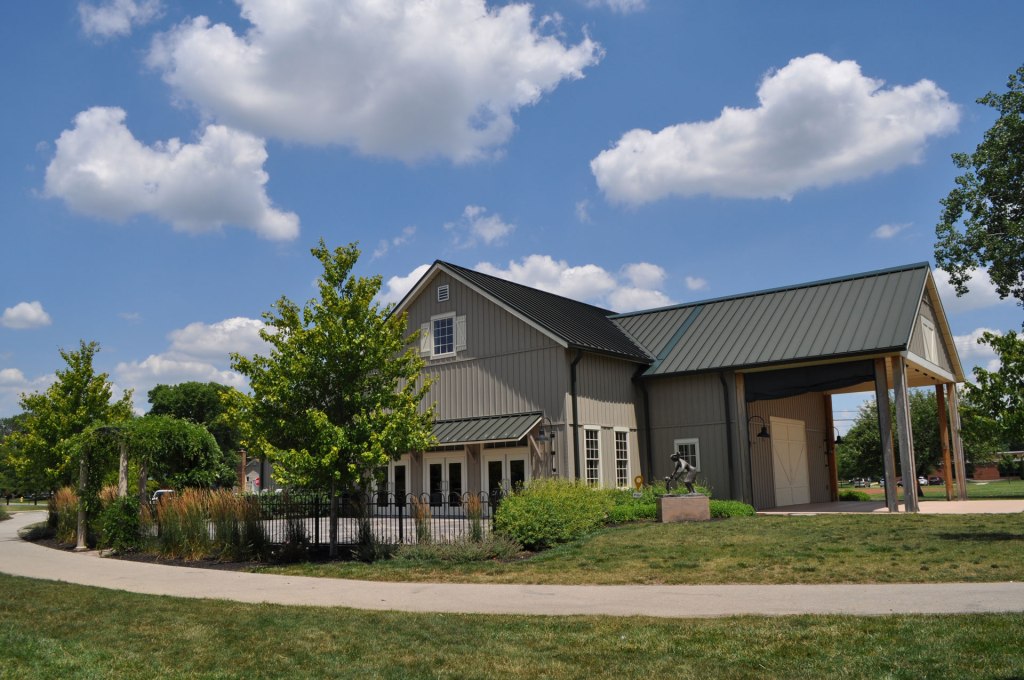
The completed Amelita Mirolo Barn at Sunny 95 Park is enjoyed by the community for numerous events. Image from https://upperarlingtonoh.gov/city-facilities/amelita-mirolo-barn.
1840’s Brick Home’s Interior Trim Saved
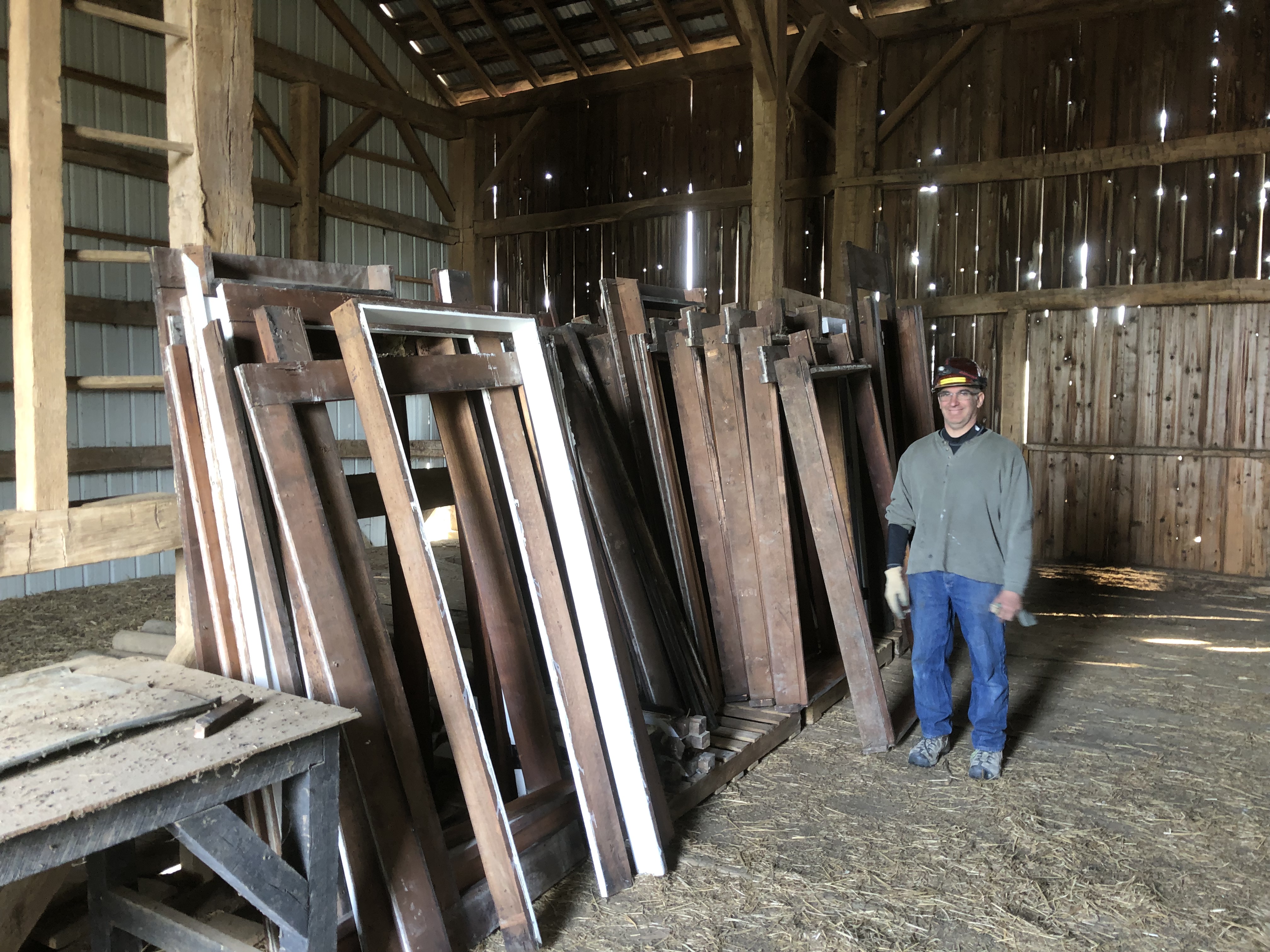
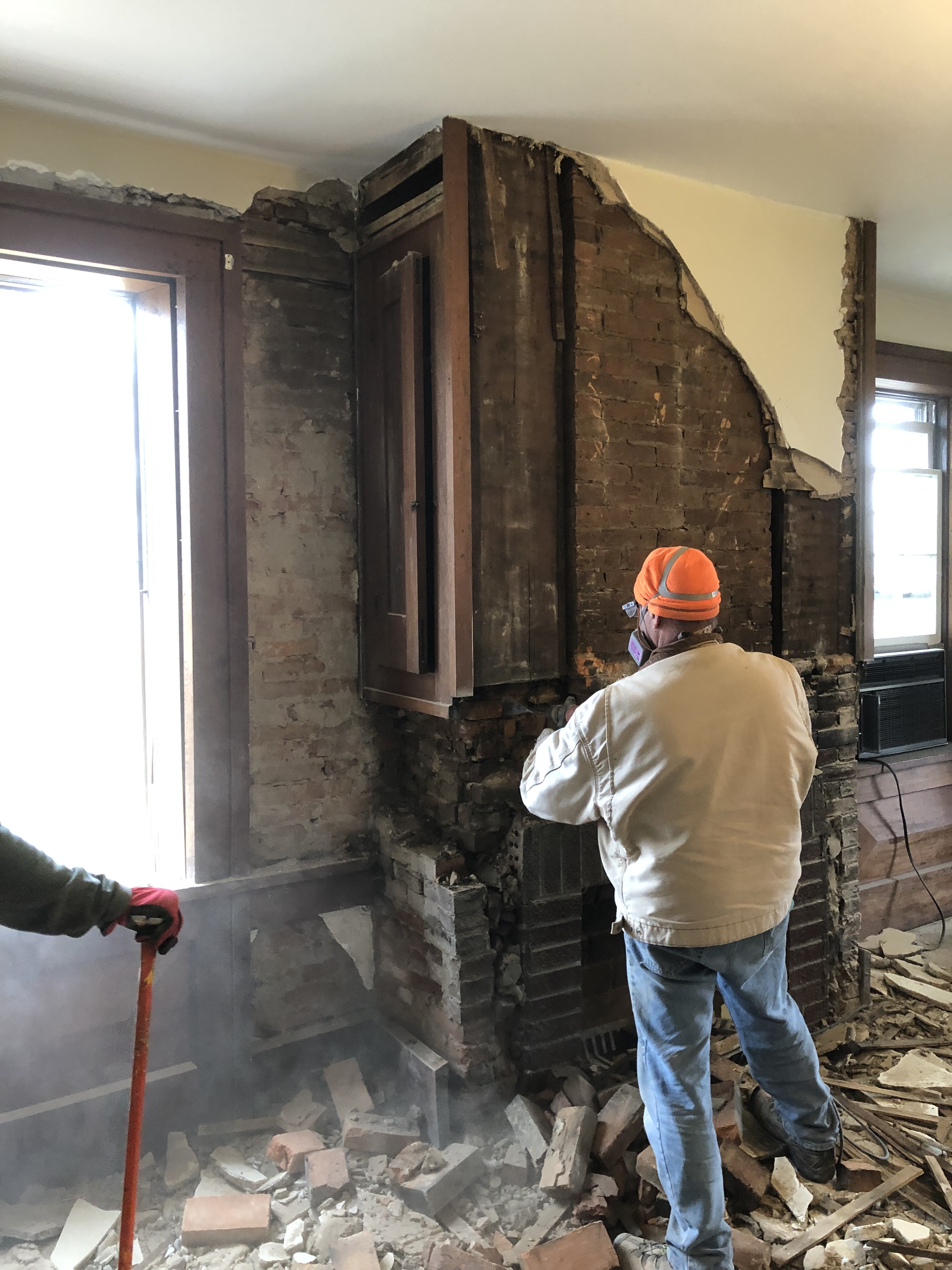
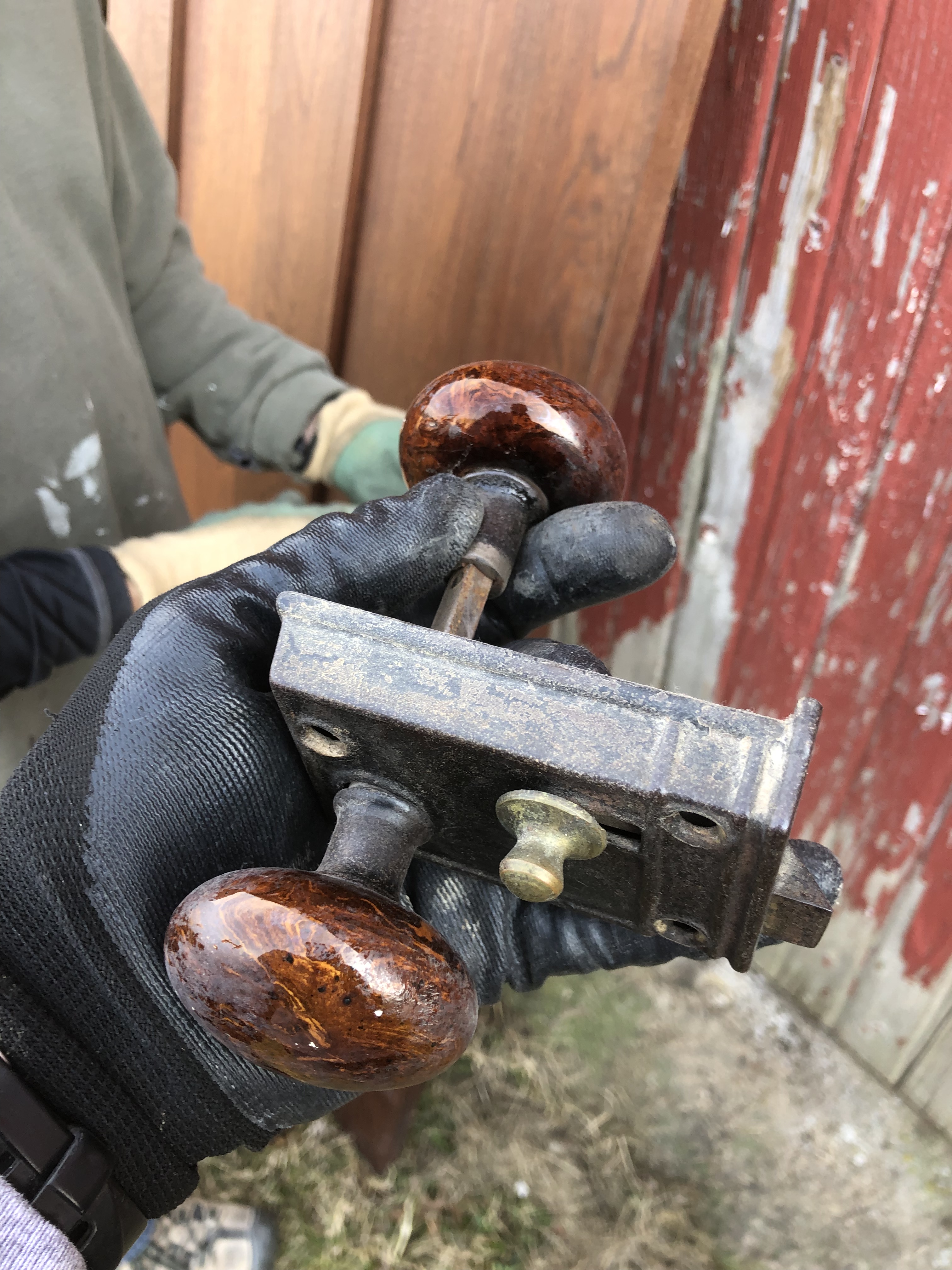
This brick home was slated for demolition and the owners kindly offered us the opportunity to save all of its interior walnut doors and trim knowing that it could be put to good use. Our crew takes a minute for a quick photo op.



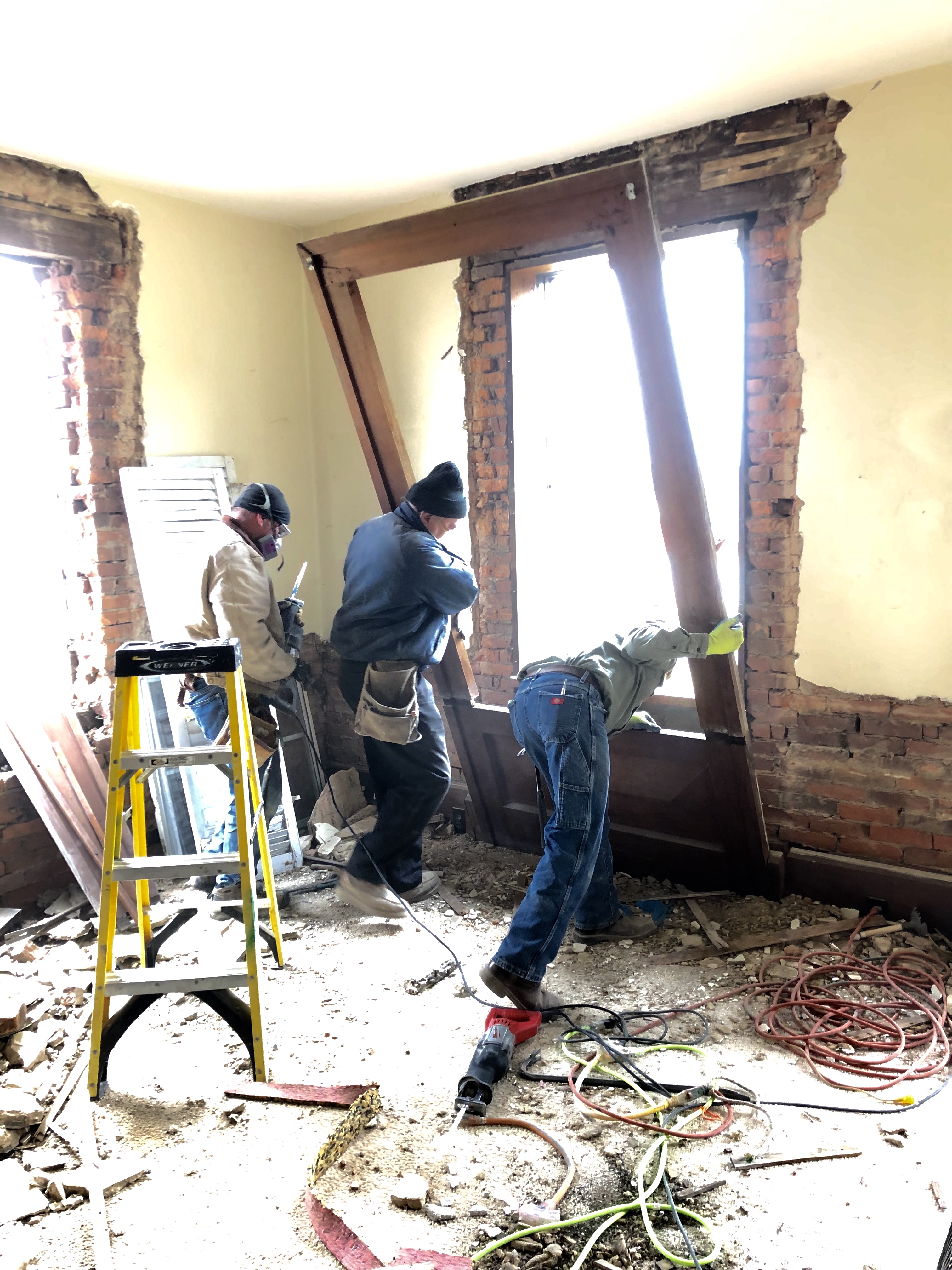

Walnut door saved for future home.
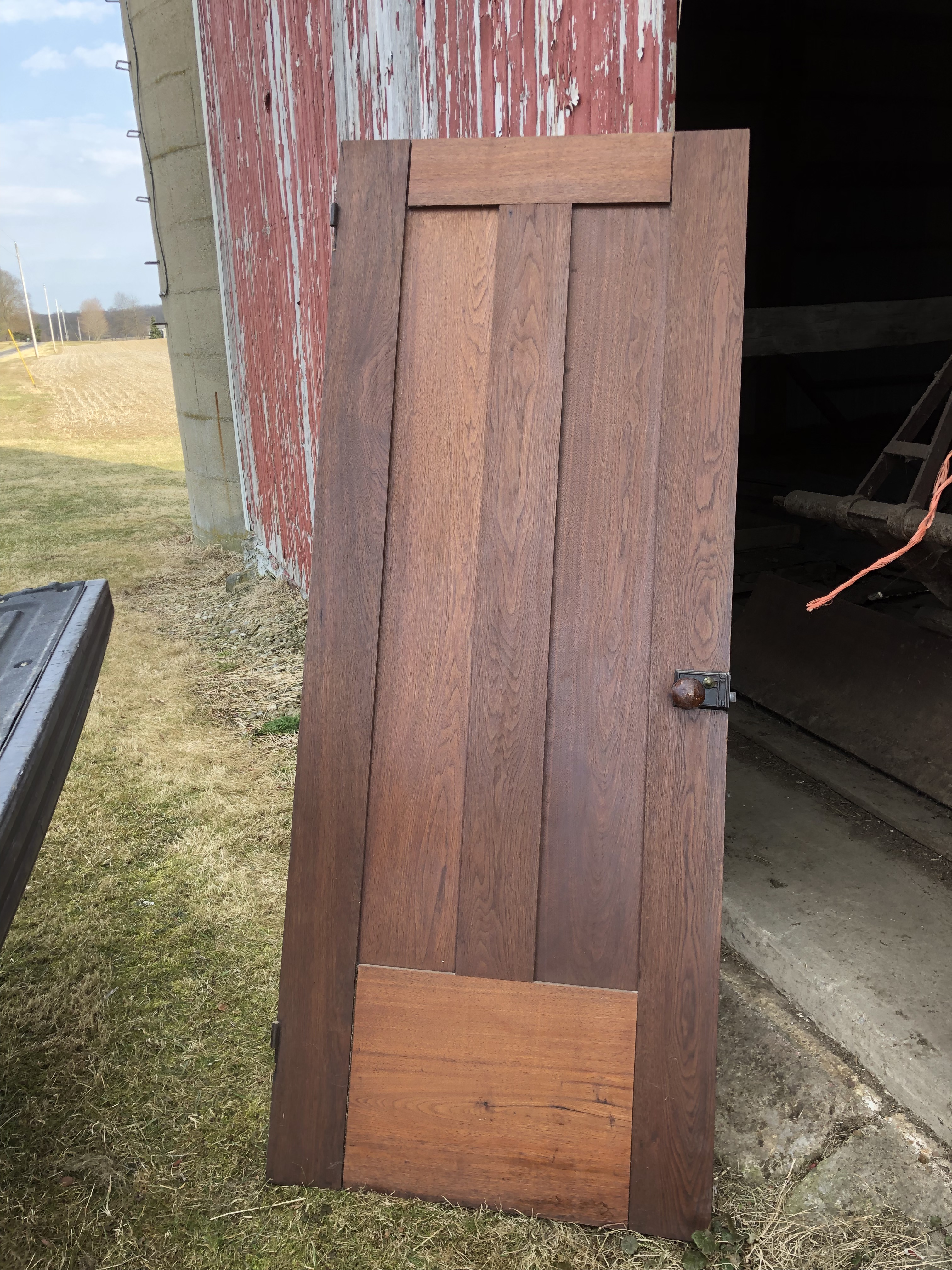
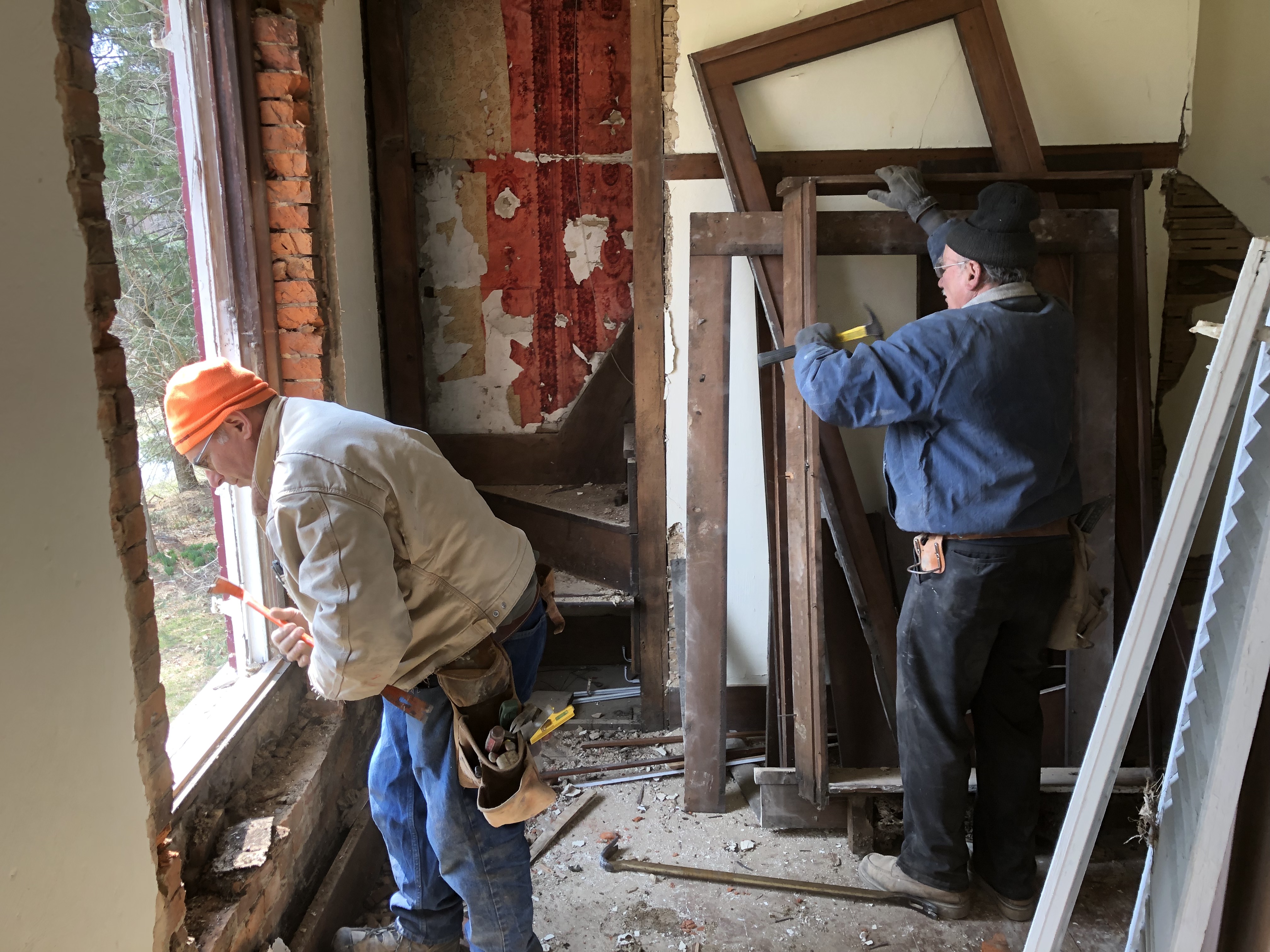
Rare unpainted walnut doors ,milled from virgin growth trees, and nearly all interior trim was saved from destruction.
Marion Farmhouse
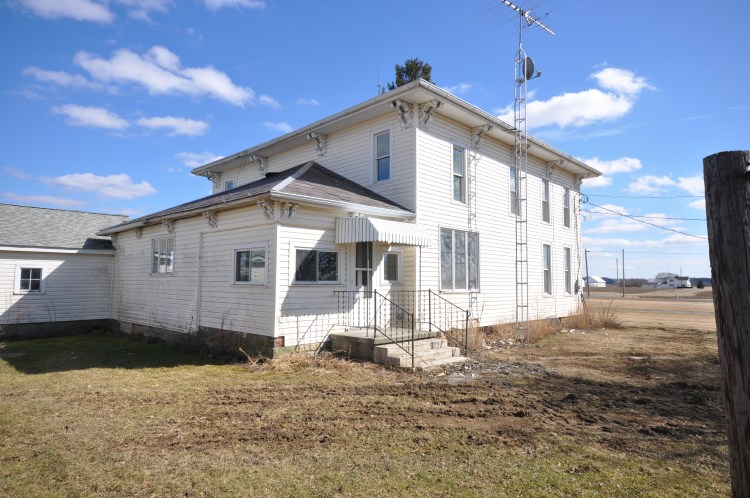
First visit to the family’s 1872 farmhouse in Marion. Having been in the family for generations the new owners, upon learning that the home was timber framed, wished to restore it for their growing family. The house was jacked up and a new concrete foundation replaced the old stone walls. Everything was striped down to the original frame which was then thoroughly cleaned. SIPS (Structural Insulated Panels) were applied to the exterior followed by a complete renovation of the homes interior.

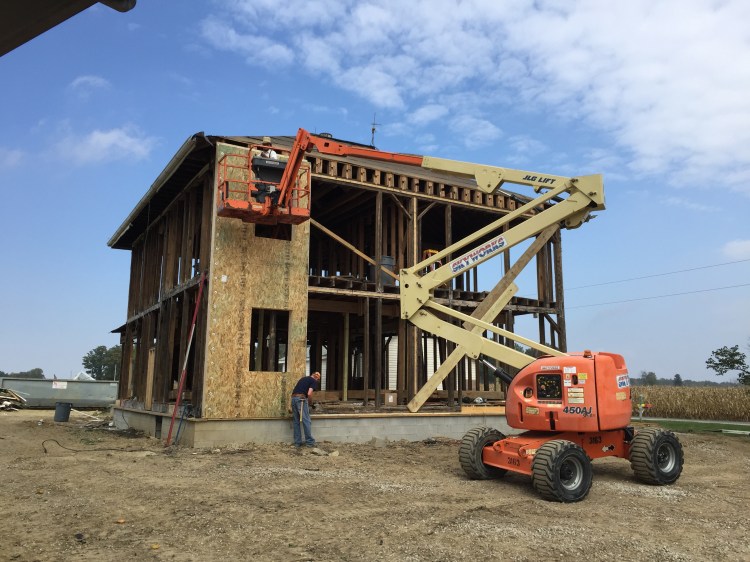
After lifting the house, installing its new foundation and pressure washing all of its hewn timbers, we removed all of the old siding and installed new SIPS.


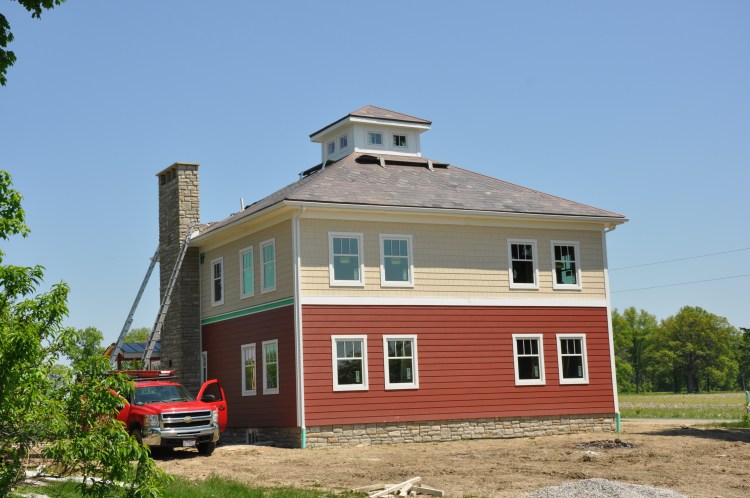
New siding installed over the SIPS envelope and its restored original slate roof. We recreated the new cupola based on old photographs. The kids love it.
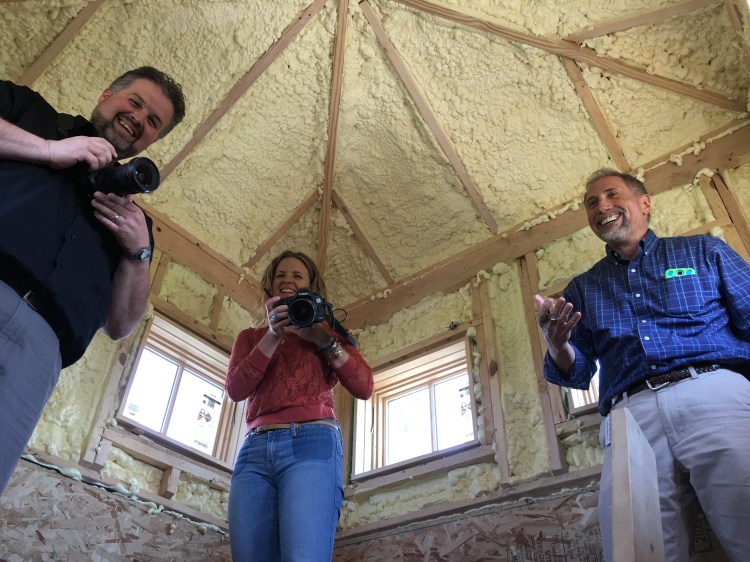
The new cupola is now a childrens’ playroom (as soon as the Columbus Dispatch leaves).
1848 Timber Frame Diller House
Discovered in northwestern Ohio this timber frame house has extensive provenance with family records going back to the earliest settlers who immigrated from Europe and settled in Ohio in the early 1800’s. Very heavily framed with 12″x12″ corner posts, hand hewn interior 4″x5″ white oak studs each weighing 30-40 pounds. (Compare to a Home Depot 2×4 stud.) All floor and ceiling joists are large hand hewn beams. Will make a gorgeous home/restaurant/store. Endless possibilities.


1850’s Sleigh Barn
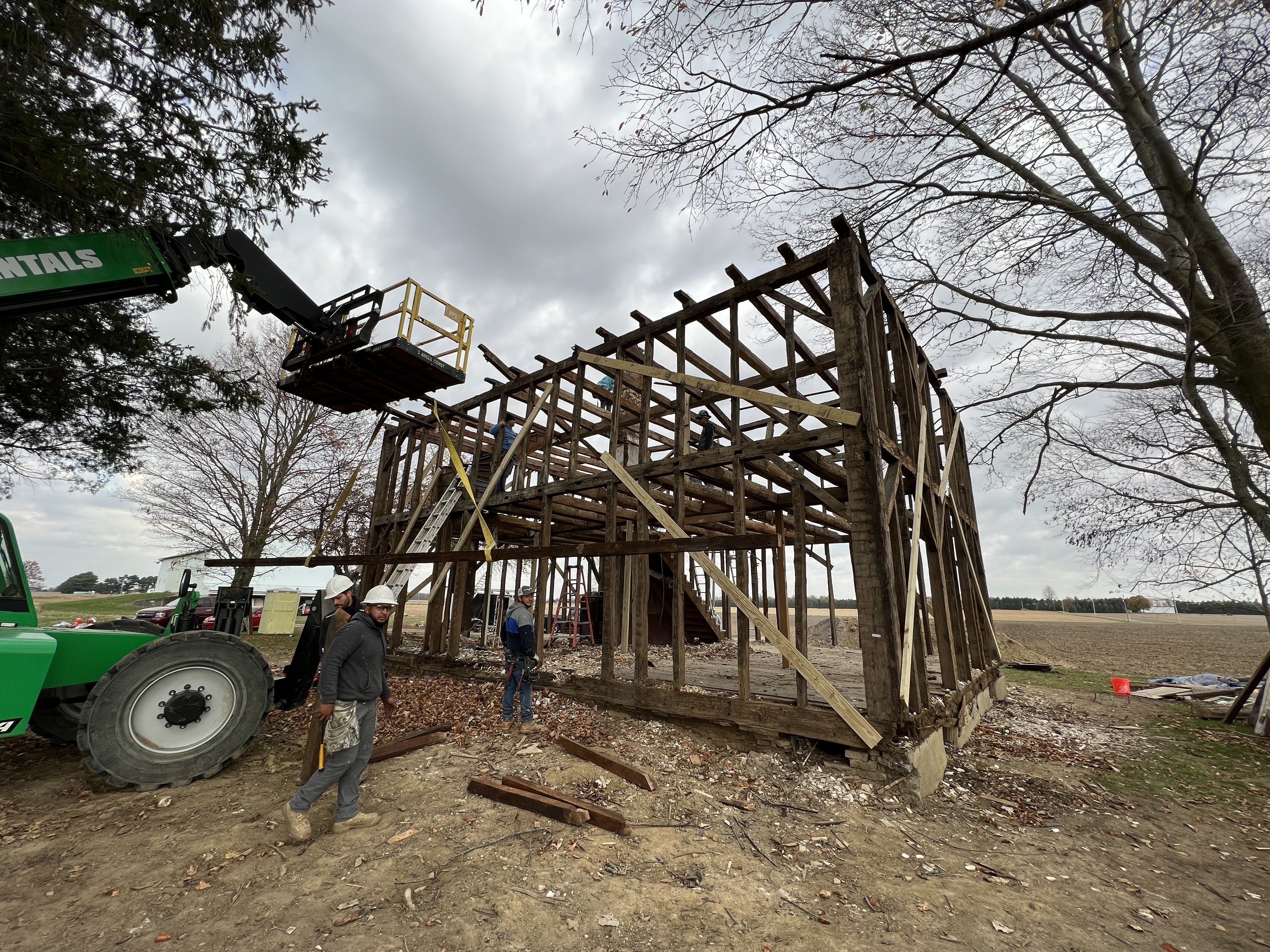
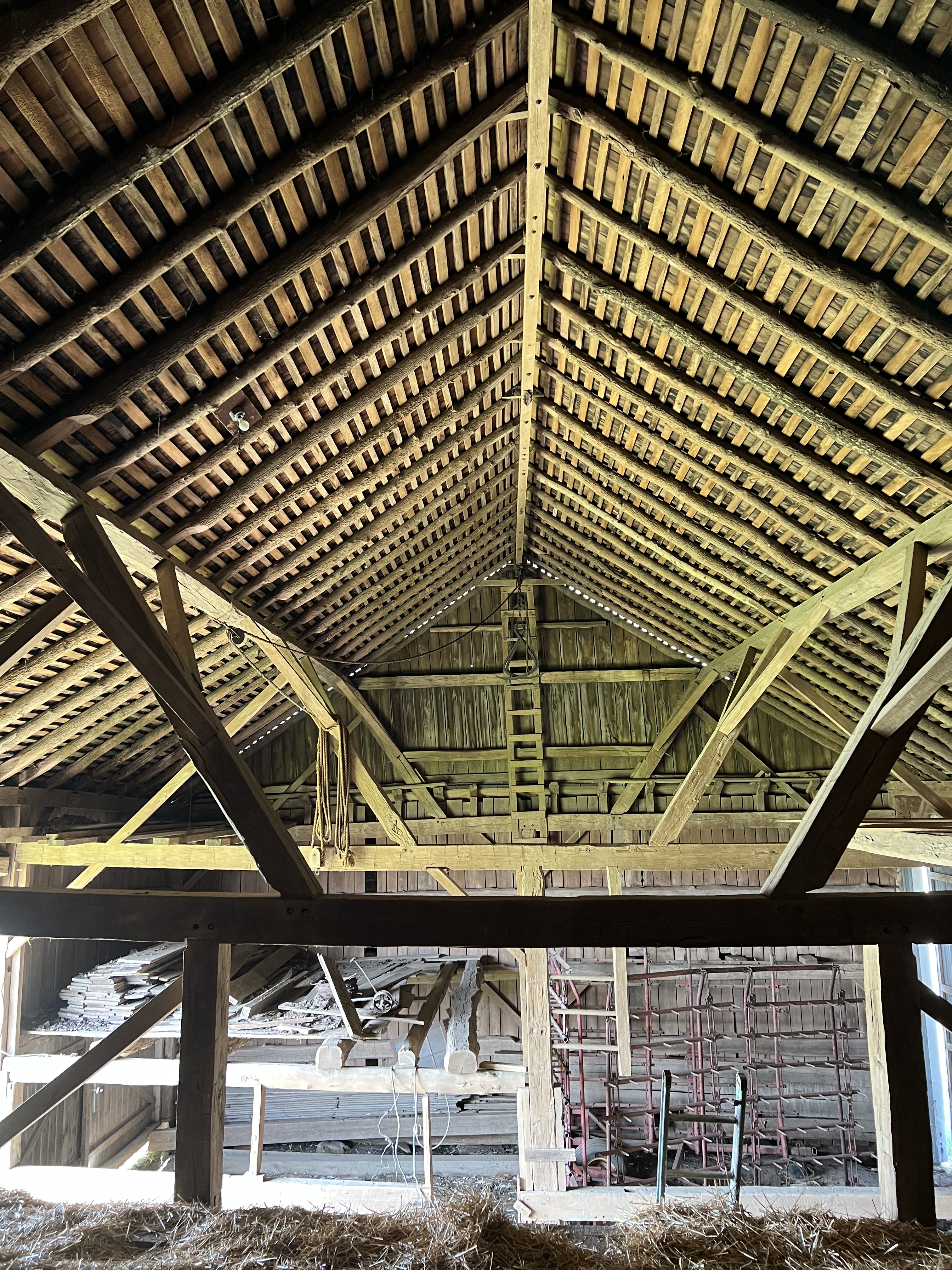
We discovered this Civil War era barn with the horse drawn sleigh resting in its loft. The previous owner said his father purchased the farm right after WWII and that they had never brought it down. This 35’x50′ hand hewn barn with its original 15’x35′ gable end shed will be finding a new home and the sleigh will fittingly go along for the ride.

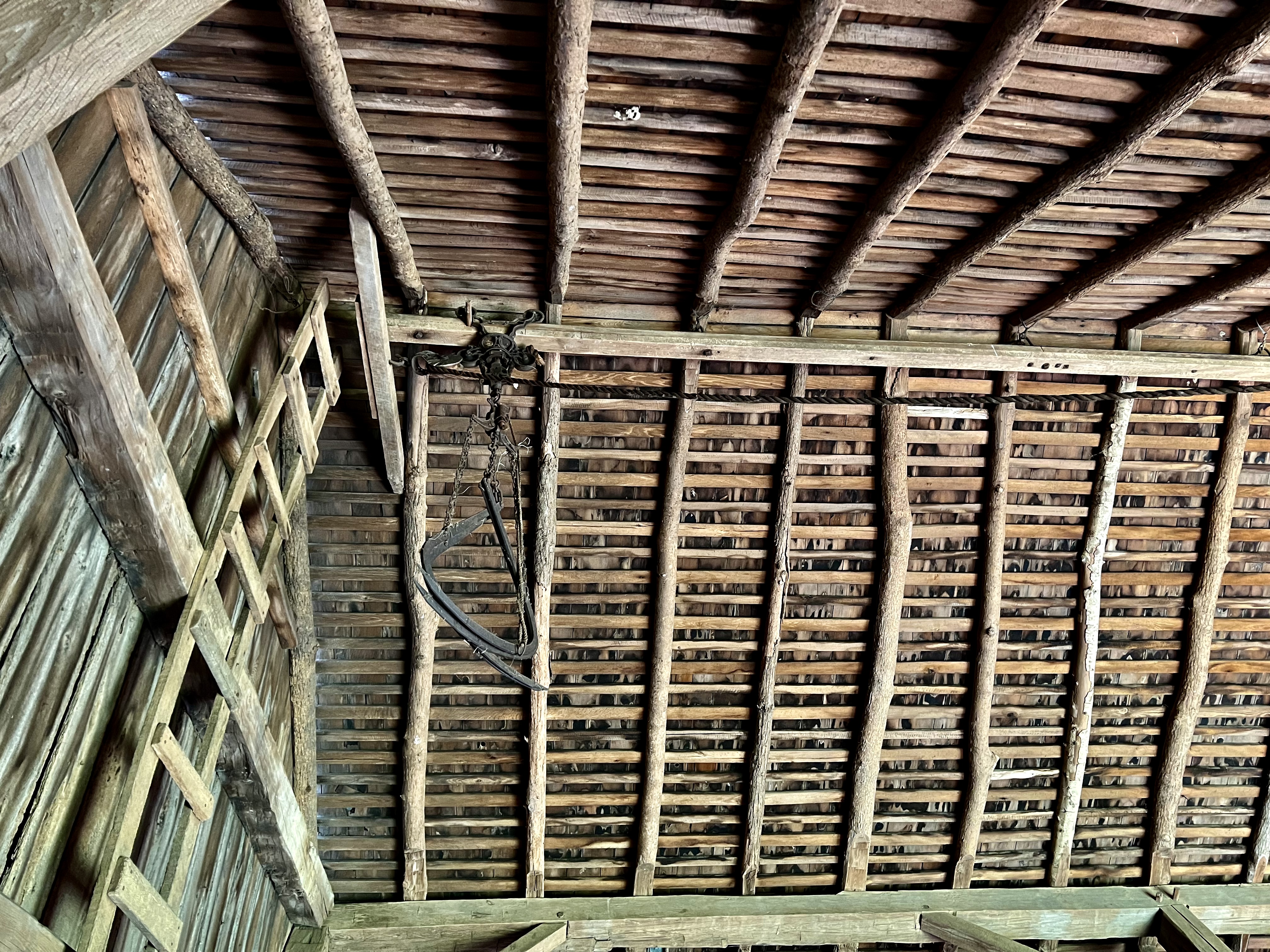
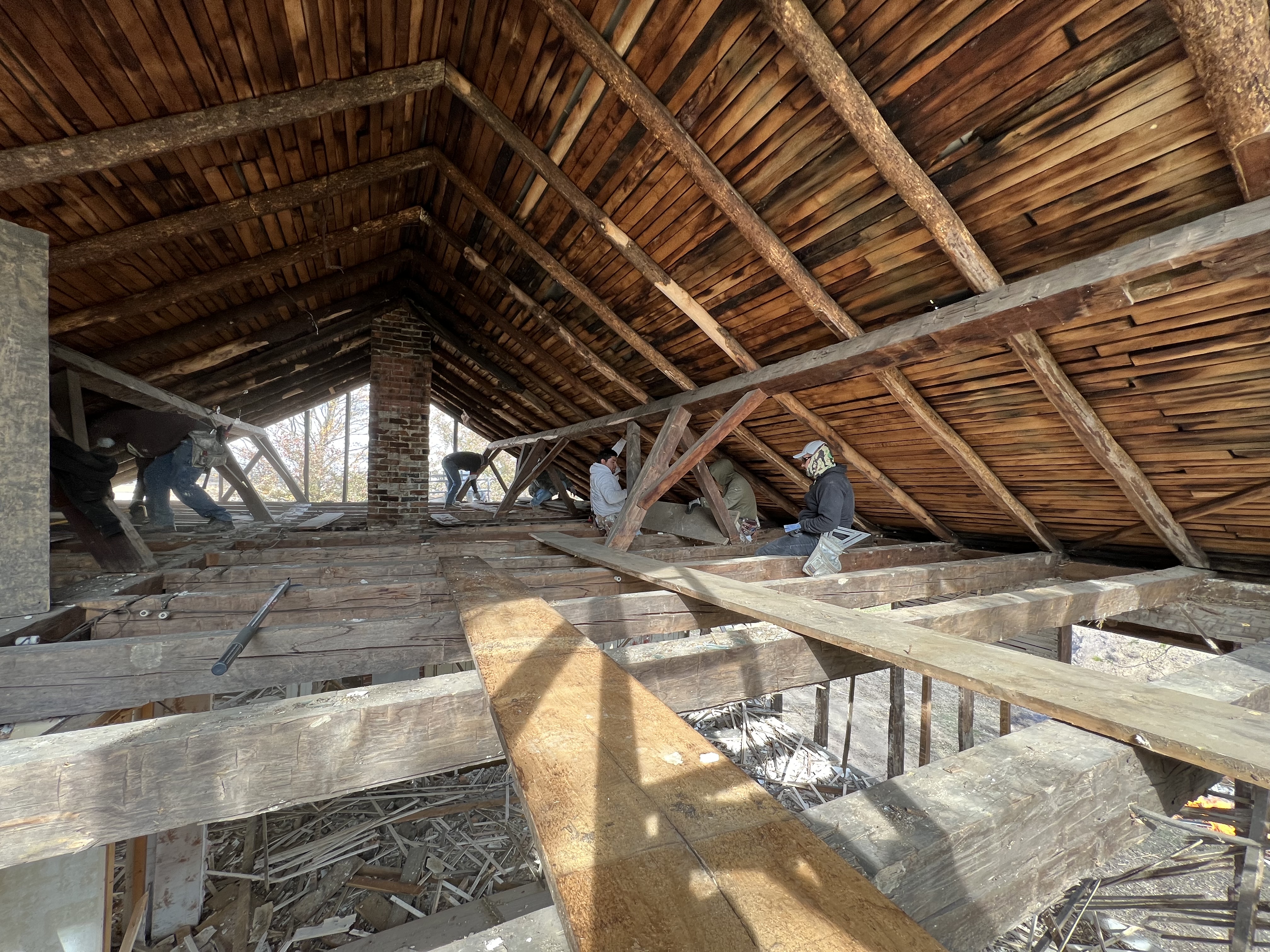
Pole rafters with the bark still on them are spaced unusually close at 24″ on center. The original white oak shingles are intact and the wooden hay track and its trolley car and hay forks which were added in the late 1880’s are in mint condition.

John Steiner Timber Frame

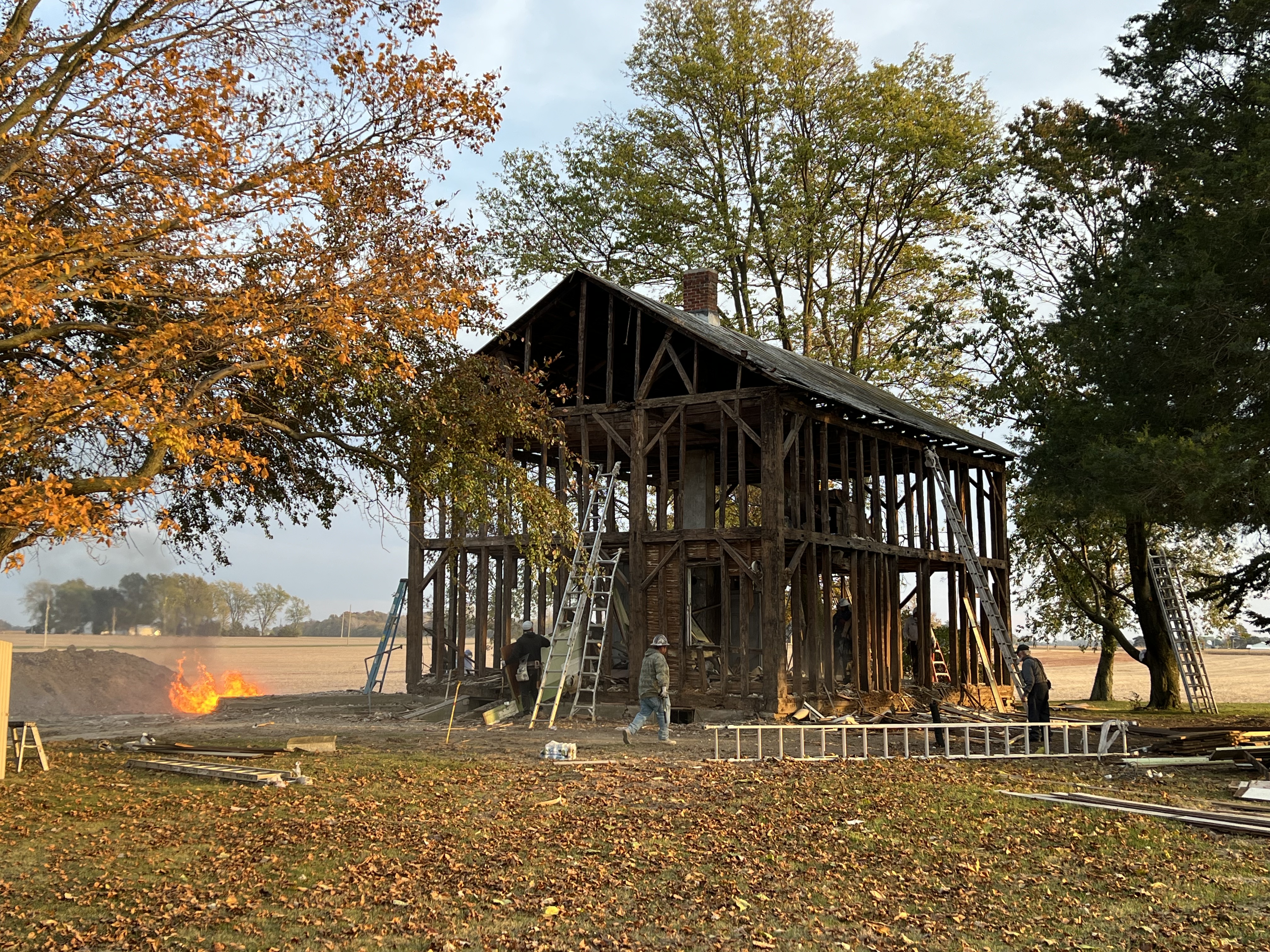
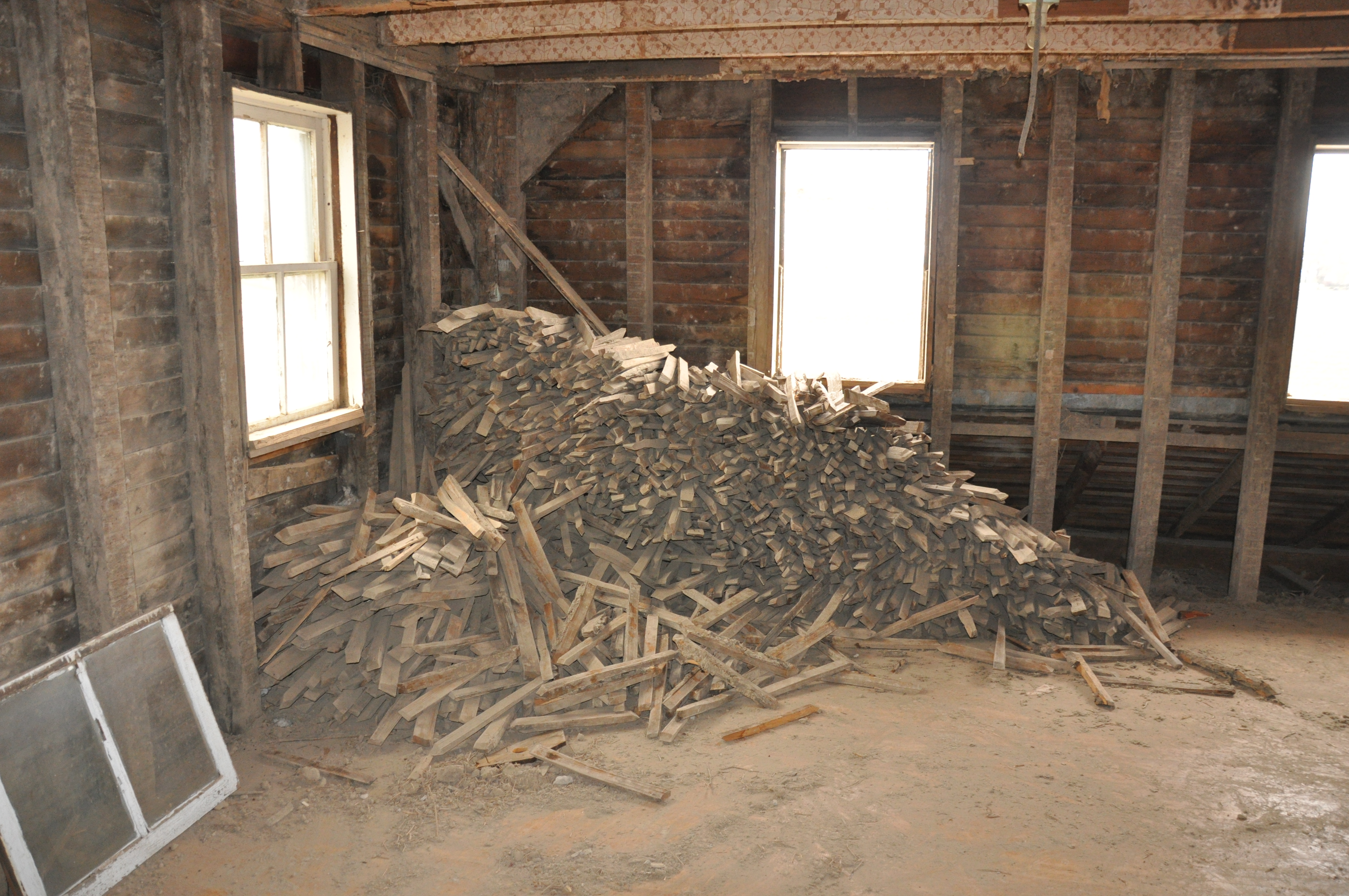
This house was known by local historians as a “mud house”. Beneath its plaster and lath the builders inserted horizontal sticks and then packed the stud cavity with a mud, straw, horsehair mixture that provided insulation from the cold. After it dried it became almost as hard as concrete and was very time consuming to remove from all of the home’s exterior walls.


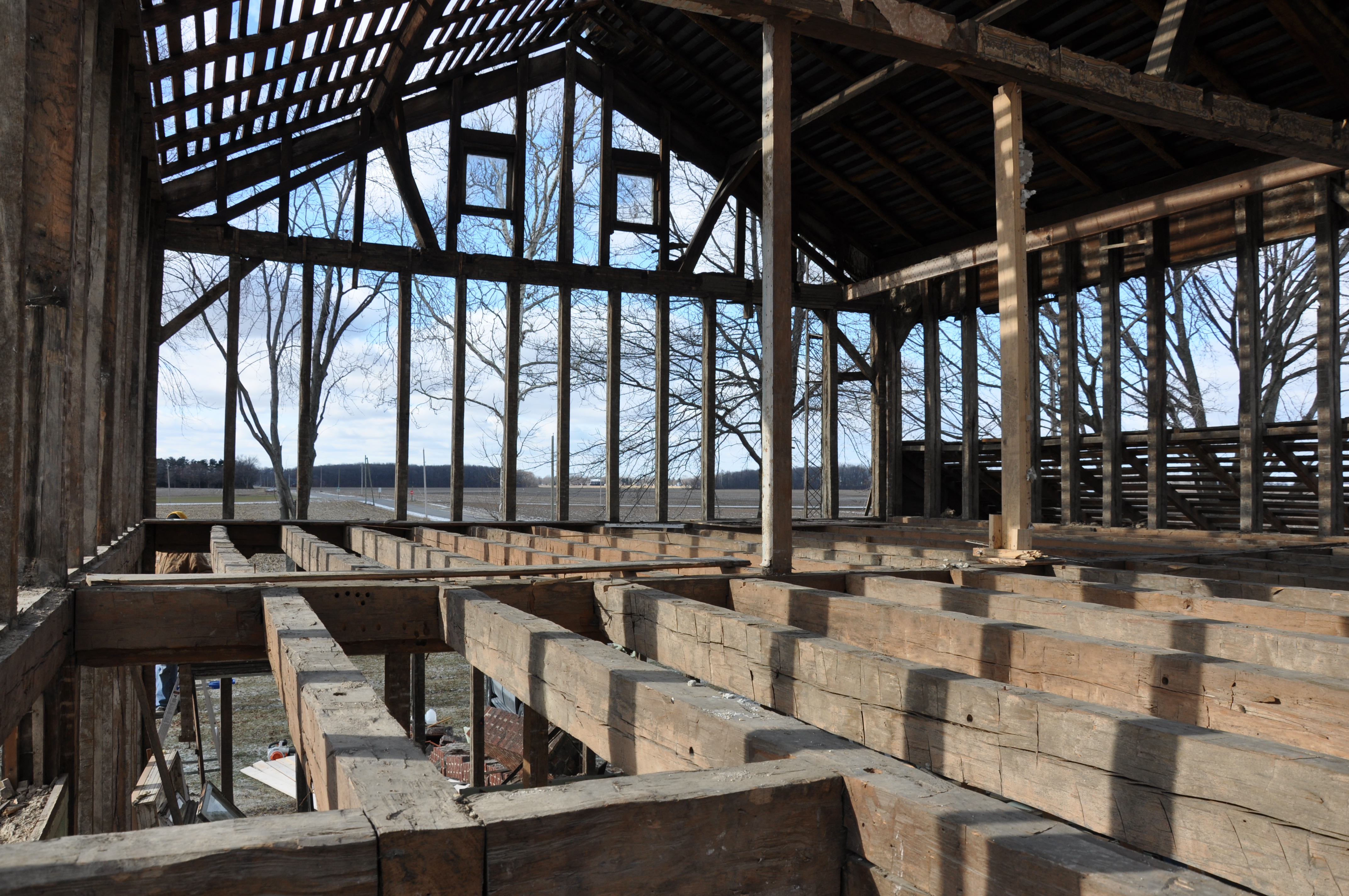
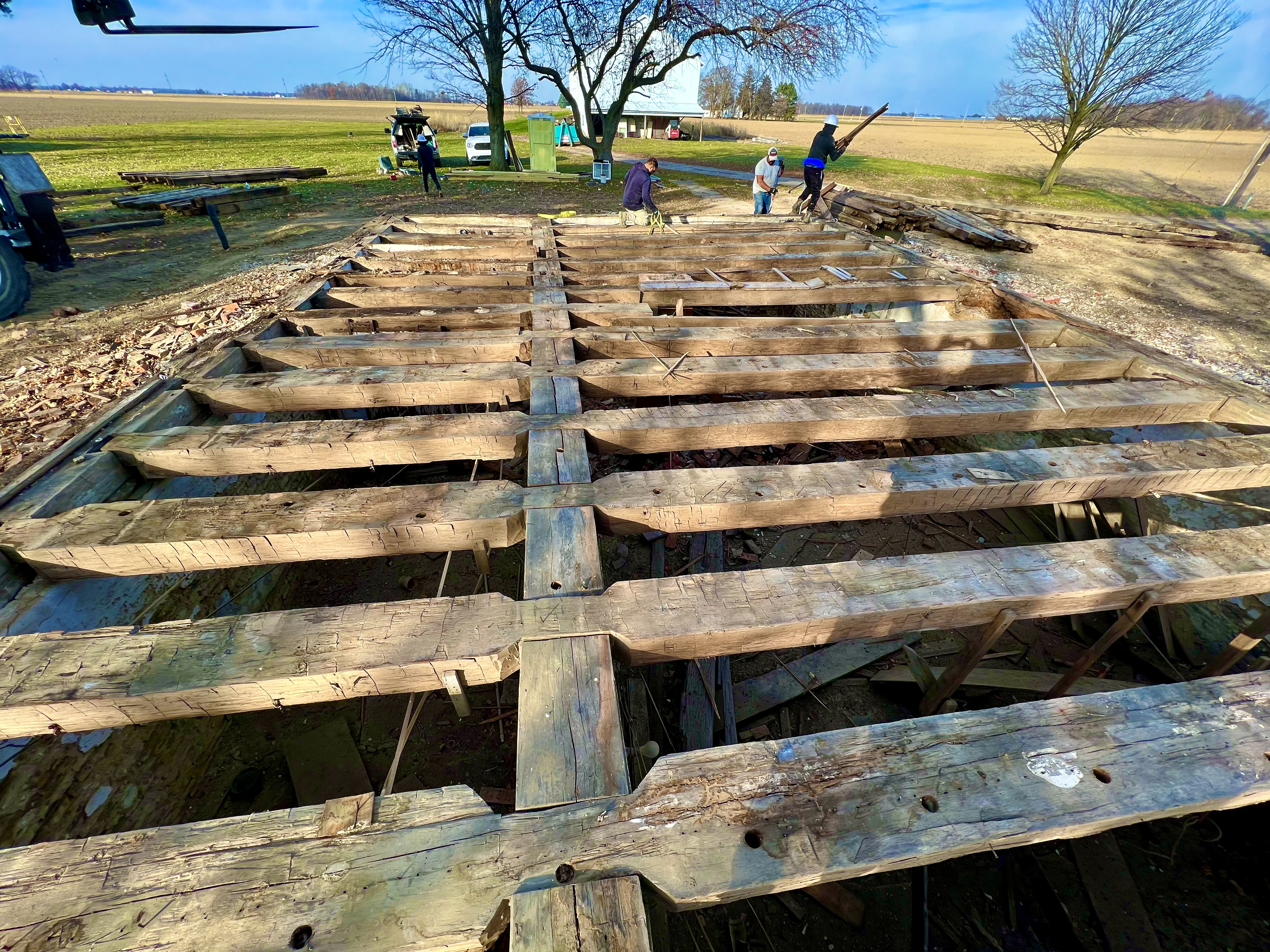
These beautiful hand hewn ceiling joists will be exposed from the first floor kitchen/dining area upon restoration.


©2025 GreenTech Construction. All rights reserved.
 greentechconstruction.com